

An emergency fund is one of the simplest financial tools you can build, but many people in the UAE still struggle with two questions: how much is enough, and where should that money actually sit? If you are trying to balance day-to-day bills, rising living costs, and long-term goals, that uncertainty is understandable. A cash buffer may help you handle job loss, medical costs, urgent travel, or sudden rent and car expenses without relying on high-interest debt or selling investments at the wrong time. This guide explains how to estimate the right amount for your situation, how emergency savings differ from investing, and where to keep that money safely and accessibly. If you are building your broader financial plan, our guide on how to invest uae can help you place emergency savings in the right order.
What an emergency fund is and why it matters
An emergency fund is money set aside for genuine financial shocks. In most cases, that means unexpected expenses rather than planned purchases. A broken car, urgent flight home, temporary job loss, medical bill, visa-related transition, or sudden family obligation could all qualify.
The key purpose is stability. An emergency fund may reduce the chance that you need to borrow on a credit card, take a personal loan, or withdraw from long-term investments during a bad market period. That matters even more if your income is variable, your family depends on one salary, or you are an expat without a large local support network.
For UAE residents, emergency planning can look slightly different from other markets. Housing costs, school fees, relocation risk, and international travel costs can all be meaningful. If you are still getting basic cash flow under control, a framework like the 50 30 20 budget rule may help you find room to save consistently before focusing on larger investing goals.
An emergency fund is not meant to maximize returns. It is meant to protect your financial plan. That distinction is important, because capital preservation and access typically matter more here than chasing yield.
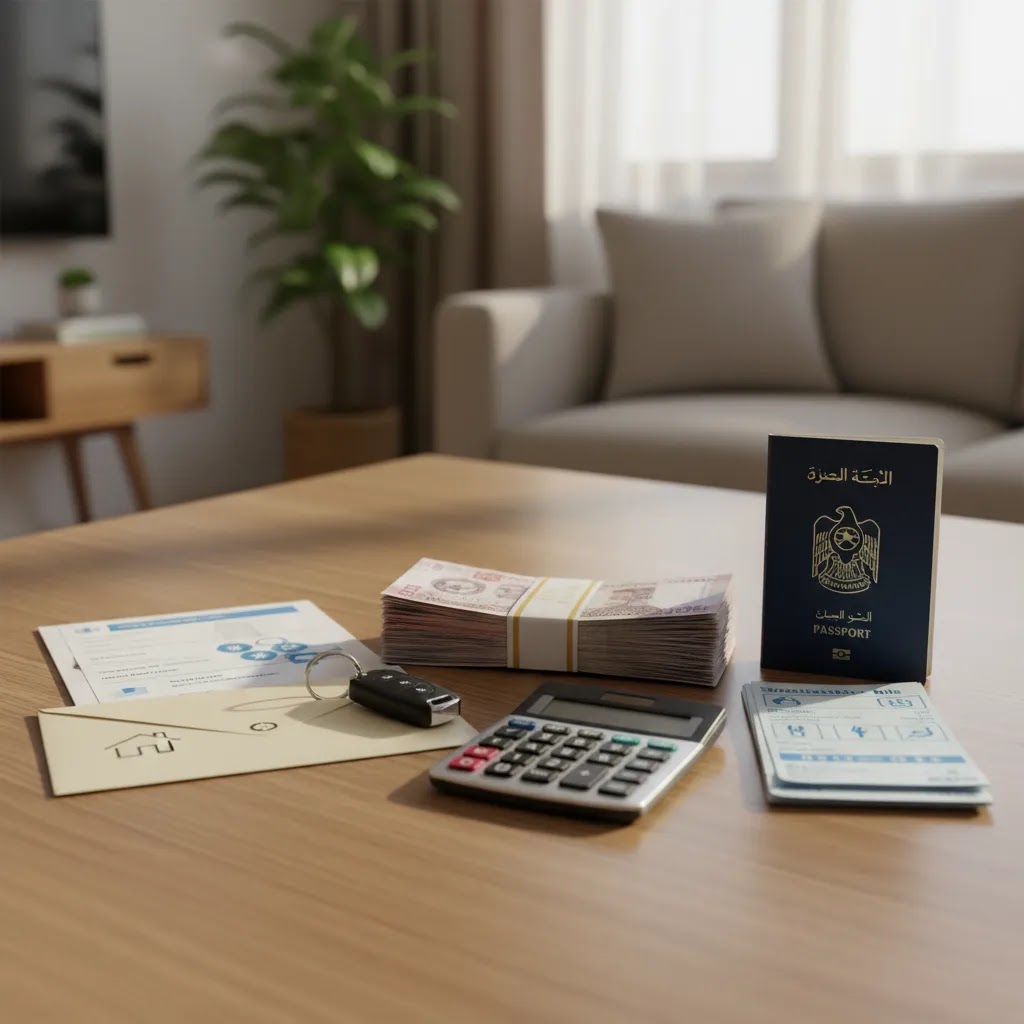
How much emergency fund you may need
The usual rule of thumb is 3 to 6 months of essential expenses. That is a useful starting point, but it is not a universal answer. A better target depends on your job stability, household responsibilities, debt obligations, and how quickly you think you could replace lost income.
Start by calculating your monthly essential expenses only. This usually includes:
- Rent or mortgage
- Utilities and internet
- Groceries
- Transport and fuel
- Insurance premiums
- Loan or minimum debt payments
- School fees or dependent support, if unavoidable
- Basic telecom and healthcare costs
Once you total that amount, multiply it by the number of months that fits your situation.
A simple guide for choosing your target
- 3 months may suit a salaried employee with stable income, low debt, and no dependents.
- 4 to 6 months may suit expats, single-income households, or people with higher fixed costs.
- 6 months or more may be sensible if your income is irregular, you run a business, work on commission, or support family members across countries.
If you are an expat, your emergency fund may also need to cover repatriation flights, temporary accommodation, or the costs of moving between jobs. That is one reason an emergency fund for expats often needs a slightly larger margin than generic budgeting advice suggests.
You can think of an emergency fund calculator as a simple formula rather than a complex tool: essential monthly spending × target months = emergency fund goal. If your core expenses are $3,000 per month and you want 4 months of coverage, your target would be $12,000.
This target does not need to be built overnight. In most cases, it is better to build gradually and consistently than to delay because the final number feels too large.
Emergency fund milestones and weekly saving examples
Here is the thing: many people get stuck because they focus only on the final number. A more practical approach is to build your emergency fund in stages so you get protection early, even if your full target is months away.
A simple milestone structure that works for many households looks like this:
- A starter buffer of $500 to $1,000 to cover smaller surprises like urgent repairs or basic medical costs without reaching for credit.
- One month of essential expenses, which is often the first point where the fund starts to feel like real stability.
- Three months of essentials, which can be a meaningful baseline for many salaried workers.
- Six months of essentials, which may make sense if your income is variable, you support dependents, or relocation risk is higher.
Weekly examples can also make progress feel measurable. If you saved:
- $5 per week, that is about $260 over a year
- $10 per week, that is about $520 over a year
- $15 per week, that is about $780 over a year
- $20 per week, that is about $1,040 over a year
Those numbers are not meant to be impressive. They are meant to show that consistency can build a real buffer over time, especially once you add occasional extra deposits like a bonus month, a side gig payment, or a refunded bill.
From a practical standpoint, you can estimate your timeline with a simple calculation: emergency fund goal divided by your planned monthly transfer. If your target is $12,000 and you can set aside $500 per month, the timeline is about 24 months. If you can do $1,000 per month, it becomes about 12 months. The reality is that many people reach their goal faster than expected because they increase transfers gradually as income rises or expenses stabilize.
Consistency often beats large one-off deposits. A smaller automatic transfer that you maintain through the year typically does more for long-term stability than waiting for the “perfect month” to save a big amount.
Where to keep your emergency fund
The best place for an emergency fund is usually somewhere safe, liquid, and easy to access. That means your priorities are different from long-term investing. You are not optimizing for growth first. You are optimizing for access and stability.
1. A dedicated savings account
For many people, an emergency fund savings account is the most practical option. It keeps the money separate from everyday spending while remaining accessible. If you are comparing local options, our guide to savings accounts uae may help you assess convenience, account structure, and basic suitability.
Ideally, the account should be easy to reach but not so easy that you dip into it for shopping, travel, or lifestyle upgrades. Some people keep it at a different bank from their salary account to create a little friction.
2. A high-access cash account
If you have access to a cash management or high-liquidity account with low risk and quick withdrawal terms, that may also work. The important question is whether the funds are available fast enough in a real emergency. If access takes several business days or includes penalties, it may be less suitable.
3. Split storage for larger funds
If your emergency savings are substantial, you could keep them in tiers. For example, one month of expenses in an instant-access account and the rest in a slightly higher-yield but still low-risk cash vehicle. This approach may balance access with modest return potential, though convenience matters more than squeezing out a little extra income.
Where not to keep it
- In volatile assets such as stocks or crypto if you may need the money on short notice
- Locked products with steep withdrawal penalties
- Your daily spending account, where it may be too easy to use casually
- Cash hidden at home in amounts that create security or loss risk
This is where the emergency fund vs investing question becomes important. Long-term investments may help build wealth, but emergency savings serve a different role. If inflation is a concern, it can be useful to understand inflation investing separately from your short-term safety cushion. Mixing the two pots often creates unnecessary risk.
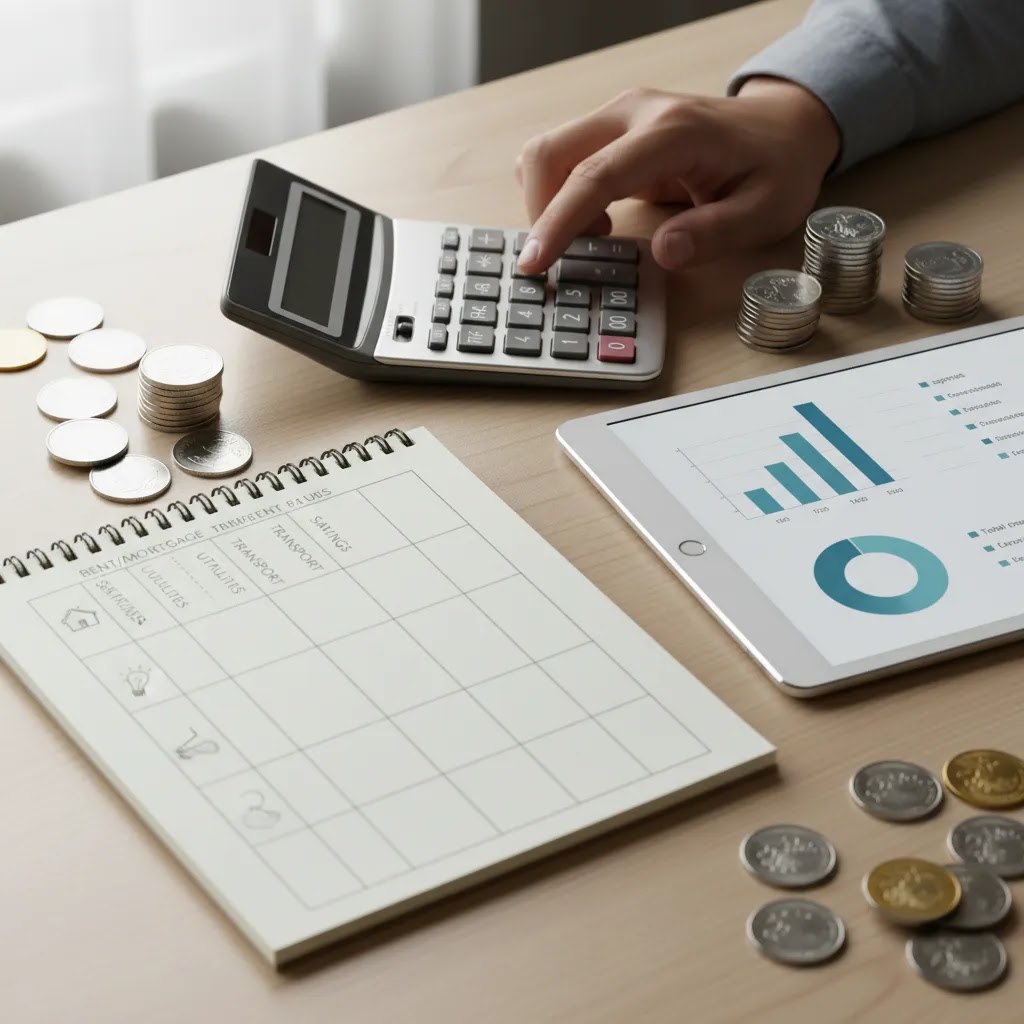
Pros and Cons
Strengths
- An emergency fund may help you avoid high-interest debt when unexpected costs appear.
- It can reduce the pressure to sell long-term investments during market declines.
- It offers psychological stability, which may improve overall financial decision-making.
- It is flexible and can support a wide range of urgent needs, from medical bills to job transitions.
- For expats and single-income households, it may provide an important buffer against relocation or income disruption.
Considerations
- Cash savings usually earn less than long-term investments, so inflation may erode purchasing power over time.
- Building a full fund can take time, especially if rent, school fees, or debt payments are already high.
- If you keep the money too accessible, you may be tempted to use it for non-emergencies.
- Holding too much in cash for too long may slow progress toward long-term wealth-building goals.
How much is too much, and what to do after you hit your target
What many people overlook is that “too much” is not a specific number like $10,000 or $20,000. It is more about whether the cash you are holding still has a clear job. The simplest way to anchor it is to return to essentials-based math: how many months of required spending does your current cash buffer actually cover?
A larger emergency fund can be reasonable in a few situations, even if the raw number looks high. If your income is variable, if your household relies on one income, or if your fixed costs are high, holding more months of essentials may reduce the chance you need to borrow or sell investments under pressure. In the UAE, expats sometimes choose a larger cushion because visa and job transitions can be time-sensitive, and relocation or travel costs can be meaningful.
On the other hand, if you have a very stable salary, low essential spending, and a strong ability to rebuild savings quickly, holding far more than you need in cash may create opportunity cost. Cash can lose purchasing power over time due to inflation, and it may slow progress on longer-term goals if the balance keeps rising without a clear purpose.
Once your fund is “fully funded,” the next step is usually maintenance rather than constant growth. In many cases, that means keeping the account in place, topping it up after you use it, and reviewing it when your rent, insurance, or family responsibilities change. Some readers also redirect the surplus that used to go into the emergency fund toward other goals, such as paying down higher-interest debt or building long-term investments, depending on their own circumstances and risk tolerance. The key is that the emergency fund stays available for emergencies, while any new surplus gets a separate job.
Who should prioritize an emergency fund first
Almost everyone may benefit from emergency savings, but some readers should treat it as a first priority. That includes people with no cash buffer, expats without nearby family support, households relying on one income, workers with variable pay, and anyone carrying financial responsibilities across borders.
If your income is uncertain or your monthly essentials are high, an emergency fund could matter more than starting aggressive investing right away. By contrast, if you already hold several months of expenses in accessible cash, your next step may be refining how much stays in savings versus how much goes toward long-term goals.
For cautious beginners, this is often the foundation that makes future investing feel manageable rather than stressful.

How to build one step by step
You do not need a perfect system. You need a repeatable one. In most cases, the process looks like this:
- Calculate essential monthly expenses. Focus on non-negotiable costs, not lifestyle spending.
- Set a realistic first milestone. If 3 to 6 months feels too large, start with one month of expenses.
- Open a separate holding account. Separation may reduce accidental spending.
- Automate transfers after payday. Even modest recurring deposits can build momentum.
- Use windfalls carefully. Bonuses, tax refunds, or side-income could help you reach the target faster.
- Define what counts as an emergency. A clear rule helps protect the fund from lifestyle creep.
- Review the amount every 6 to 12 months. If rent or family costs rise, your target may need updating.
Emergency fund calculator: a quick self-check (plus common mistakes)
Consider this: a real emergency fund “calculator” is usually just a set of questions that helps you choose the right month range, and avoid building a target on unrealistic assumptions. If you want a quick self-check, start with these prompts and write the answers down:
- What is your monthly essential spending, after removing discretionary items?
- How stable is your income: steady salary, variable pay, commission, or self-employed?
- How quickly could you realistically replace your income if it stopped tomorrow?
- Do you have dependents, or do you support family members across borders?
- Do you have minimum debt payments that must be made even during a bad month?
- How quickly can you access the money: same day, next day, or only after several business days?
- Do you have other “sinking funds” for predictable costs like annual insurance, school fees, or car registration?
Once you answer those, your month range usually becomes clearer. A stable salaried worker with low obligations might lean closer to 3 months, while variable income, dependents, or relocation risk can justify a higher number. The target is still built the same way: essentials per month multiplied by the number of months you want to cover.
It also helps to define an emergency in a strict way. A good filter is: necessary, unexpected, time-sensitive, and not already covered by another savings bucket. If the expense fails one of those, it might be a goal to plan for, not an emergency.
Common mistakes tend to come from overestimating safety or underestimating real costs. People often count discretionary spending as “essential,” which inflates the target and makes saving feel impossible. The opposite is also common: ignoring irregular but real annual costs, which can cause you to underestimate what you truly need. Another issue is keeping the money too hard to access. If the funds are locked, slow to withdraw, or mixed into a volatile investment, it may not function properly when timing matters. Finally, remember to update the number. A rent increase, a job change, or a new dependent can materially change the amount of cash you need on hand.
A common mistake is trying to invest first and save later. That can work for some people with strong financial buffers, but for many households it creates fragility. If an emergency forces you to liquidate investments during a downturn, the long-term plan may suffer.
At Business24-7, we usually suggest building the safety layer before taking on more market risk. That does not mean avoiding investing forever. It means putting each financial tool in the right job. Readers who are comparing next steps can browse our Investing and Wealth Building resources for broader planning ideas, and our UAE Regulation and Tax section for context that may affect local financial decisions.
This safety-first approach also fits the broader editorial standard at Business24-7. The site is built to help UAE readers assess financial decisions carefully, with a strong emphasis on clarity, risk awareness, and practical judgment rather than hype.
Frequently Asked Questions
How much emergency fund should I have in the UAE?
In most cases, 3 to 6 months of essential expenses is a reasonable starting range. In the UAE, you may want the higher end of that range if your housing costs are high, you support dependents, or you are an expat who may need funds for travel or relocation. The right number depends more on your risk profile than on a fixed rule.
Should I invest my emergency fund instead of keeping it in cash?
Usually, no. Emergency savings are meant for stability and quick access, while investments can fluctuate in value. If markets fall at the same time you need the money, you could be forced to sell at a loss. For most people, keeping emergency money in low-risk cash-style accounts is the safer choice.
Where should I keep my emergency fund?
A separate savings account is often the most practical place. It should be accessible, low risk, and distinct from your daily spending account. The goal is not maximum return. The goal is preserving capital and being able to access it quickly when an actual emergency happens.
Is 3 months of expenses enough?
It may be enough for someone with a stable salary, low fixed costs, and no dependents. It may be too little for freelancers, business owners, or expats with relocation risk. If your income could be interrupted for longer than expected, aiming for 4 to 6 months may provide more breathing room.
What counts as an emergency expense?
Emergency expenses are usually necessary, unexpected, and time-sensitive. Examples may include urgent medical costs, major car repairs, sudden travel for family reasons, or covering essentials during job loss. Planned holidays, shopping, or home upgrades typically should not come from an emergency fund.
How is an emergency fund different from general savings?
General savings can be for planned goals such as travel, education, or a property down payment. An emergency fund has a narrower purpose: protecting you during financial shocks. Keeping it separate may help you avoid confusion and make sure the money is still there when you truly need it.
Do expats need a larger emergency fund?
Often, yes. An emergency fund for expats may need to cover added risks such as visa changes, flights home, temporary accommodation, or periods between jobs. If your support network is abroad or your household depends on one work permit, a larger cushion may be a sensible precaution.
Should I pay off debt or build an emergency fund first?
That depends on the type of debt and your current cash position. In many cases, building a small starter emergency fund first may help prevent more borrowing when an unexpected bill arrives. After that, you can decide how to balance debt repayment and larger savings goals based on interest costs and cash flow.
How often should I review my emergency fund target?
Review it at least once or twice a year, or sooner if your rent, family responsibilities, income, or debt payments change. The target should reflect your current essential spending, not last year’s numbers. If your monthly costs rise, your emergency savings goal may need to rise as well.
How much money is considered an emergency fund?
An emergency fund is typically measured as a number of months of essential expenses, often 3 to 6 months as a baseline. The actual dollar amount depends on your required monthly costs and how long you want the fund to cover. For example, if your essentials total $2,500 per month, a 4-month emergency fund would be $10,000.
What is the 3 6 9 rule for emergency funds?
The 3 6 9 rule is a simple way to scale your emergency fund based on income stability and responsibilities. Three months is often viewed as a starting point for stable income, 6 months may fit higher fixed costs or more uncertainty, and 9 months is sometimes used by people with highly variable income or added risk factors. It is still a rule of thumb, so it works best when paired with your actual essential expense math.
Is $20,000 too much for an emergency fund?
It depends on your essential expenses and your risk factors, not the number itself. If your household essentials are $4,000 per month, $20,000 is about five months of coverage, which may be reasonable for many expats or single-income households. If your essentials are $1,500 per month, $20,000 is over a year of coverage, which may be more than you need in cash if you have stable income and other financial priorities. The tradeoff is opportunity cost, since cash may lose purchasing power over time.
Is $10,000 enough for an emergency fund?
$10,000 could be enough if it covers your chosen month target. For example, if essentials are $2,500 per month, $10,000 is four months of coverage. If essentials are $5,000 per month, $10,000 is only two months, which may feel tight if your income is uncertain or you have dependents. The most reliable way to judge it is to translate the dollar figure into months of required spending.
Key Takeaways
- An emergency fund is primarily about access and protection, not return maximization.
- For many people, 3 to 6 months of essential expenses is a sensible baseline.
- Expats, variable-income earners, and single-income households may need a larger buffer.
- A separate savings account is often the most practical place to keep emergency savings.
- Emergency fund money should generally stay apart from long-term investments because capital is at risk in markets.
Conclusion
Building an emergency fund may not feel as exciting as investing, but it is often the financial habit that makes everything else more sustainable. A solid cash buffer can help you absorb shocks, avoid expensive debt, and protect long-term goals from short-term disruption. The right amount depends on your expenses, income reliability, and family situation, especially if you live in the UAE as an expat or support dependents. If you are shaping a wider financial plan, Business24-7 can help you connect emergency savings with budgeting, investing, and platform research in a practical way. Browse our related guides before making bigger money decisions, and use the site as a steady reference point whenever you need a clearer, more balanced financial explanation.
Disclaimer: The content published on Business24-7 is intended for informational purposes only and does not constitute financial advice, investment recommendations, or an endorsement of any specific platform or financial product. Trading and investing carry significant risk, including the potential loss of capital. You should conduct your own research and, where appropriate, seek independent financial advice before making any investment decisions. Business24-7 does not accept responsibility for any financial losses incurred as a result of information published on this site.
Disclaimer
eToro is a multi-asset platform which offers both investing in stocks and cryptoassets, as well as trading CFDs.
Please note that CFDs are complex instruments and come with a high risk of losing money rapidly due to leverage. 61% of retail investor accounts lose money when trading CFDs with this provider. You should consider whether you understand how CFDs work, and whether you can afford to take the high risk of losing your money
This communication is intended for information and educational purposes only and should not be considered investment advice or investment recommendation. Past performance is not an indication of future results.
Copy Trading does not amount to investment advice. The value of your investments may go up or down. Your capital is at risk.
Crypto assets are complex and carry a high risk of volatility and loss. Trading or investing in crypto assets may not be suitable for all investors. Take 2 mins to learn more
eToro USA LLC does not offer CFDs and makes no representation and assumes no liability as to the accuracy or completeness of the content of this publication, which has been prepared by our partner utilizing publicly available non-entity specific information about eToro.

An emergency fund is one of the simplest financial tools you can build, but many people in the UAE still struggle with two questions: how much is enough, and where should that money actually sit? If you are trying to balance day-to-day bills, rising living costs, and long-term goals, that uncertainty is understandable. A cash buffer may help you handle…