



If you are researching the cTrader platform, you are probably past the stage of asking what trading software is and closer to asking whether this one is actually worth your time. That is a sensible question, especially in the UAE, where platform choice should be weighed alongside broker regulation, pricing, and ease of use. cTrader has built a strong following among forex and CFD traders who want a cleaner interface, flexible charting, and direct access to advanced order tools without feeling buried in clutter. In this guide, you will learn what cTrader does well, where it may fall short, and how it compares with alternatives before you commit. If you are still surveying the wider market, our best trading platform uae guide is a useful starting point.
What cTrader is and why it matters
cTrader is a trading platform used primarily for forex and CFD trading. Traders often look at it as an alternative to MetaTrader platforms because it offers a modern layout, strong charting, and a workflow that many users find easier to navigate. The appeal is not only visual. cTrader is also known for advanced order management, detachable charts, level II pricing in some broker setups, and built-in tools for algorithmic and copy trading.
For UAE-based traders, the platform itself is only part of the decision. The more important question is which broker provides it, under what regulatory framework, and with what cost structure. Based on available Business24-7 broker data, Pepperstone is one of the clearest current examples of a broker offering cTrader, alongside MT4, MT5, and TradingView. Pepperstone is listed with DFSA, FCA, ASIC, CySEC, and BaFin regulation, a $0 minimum deposit, and Razor pricing from 0.0 pips with a $7 per lot commission, while its Standard account uses spread-only pricing.
That matters because no trading platform is automatically safer or cheaper by itself. Your real experience depends on the broker behind it, the spreads and commissions charged, and whether the firm is regulated by authorities such as the DFSA or SCA in the UAE context, or by regulators such as the FCA, ASIC, or CySEC internationally.
Key cTrader features traders usually care about
The main reason traders gravitate toward cTrader is usability. The platform is generally designed to feel more intuitive than older desktop-first systems. Menus are cleaner, chart windows are easier to organize, and trade management tools are often easier to find. For traders who value execution control, that can make day-to-day use less frustrating.
cTrader is often associated with the following strengths:
- Advanced charting with multiple timeframes and flexible layouts
- Fast order entry and trade management tools
- Support for copy trading functionality through cTrader copy trading environments
- Algorithmic trading support for traders who want automated strategies
- Web-based access through ctrader web, which may reduce reliance on a single desktop install
Many readers also search for ctrader download, ctrader tutorial, or how to use ctrader because the platform sits in a middle ground. It is approachable enough for motivated beginners, but it also has enough depth for more active traders. If you are comparing platform styles, our guide to mt4 vs mt5 vs ctrader can help clarify where each setup may fit.
One point worth keeping in mind is that platform quality does not cancel out trading risk. cTrader may provide better visibility, more order types, or cleaner charts, but capital is still at risk. Fast execution and more tools can improve control, yet they can also encourage overtrading if you are not disciplined.

cTrader versions, access options, and login basics
Here is the thing: many people talk about “the cTrader platform” as if it is one single app, but most traders end up using a mix of versions depending on where they are trading from. In practice, your broker typically determines which cTrader access options are available to you, and some features can vary slightly depending on the setup.
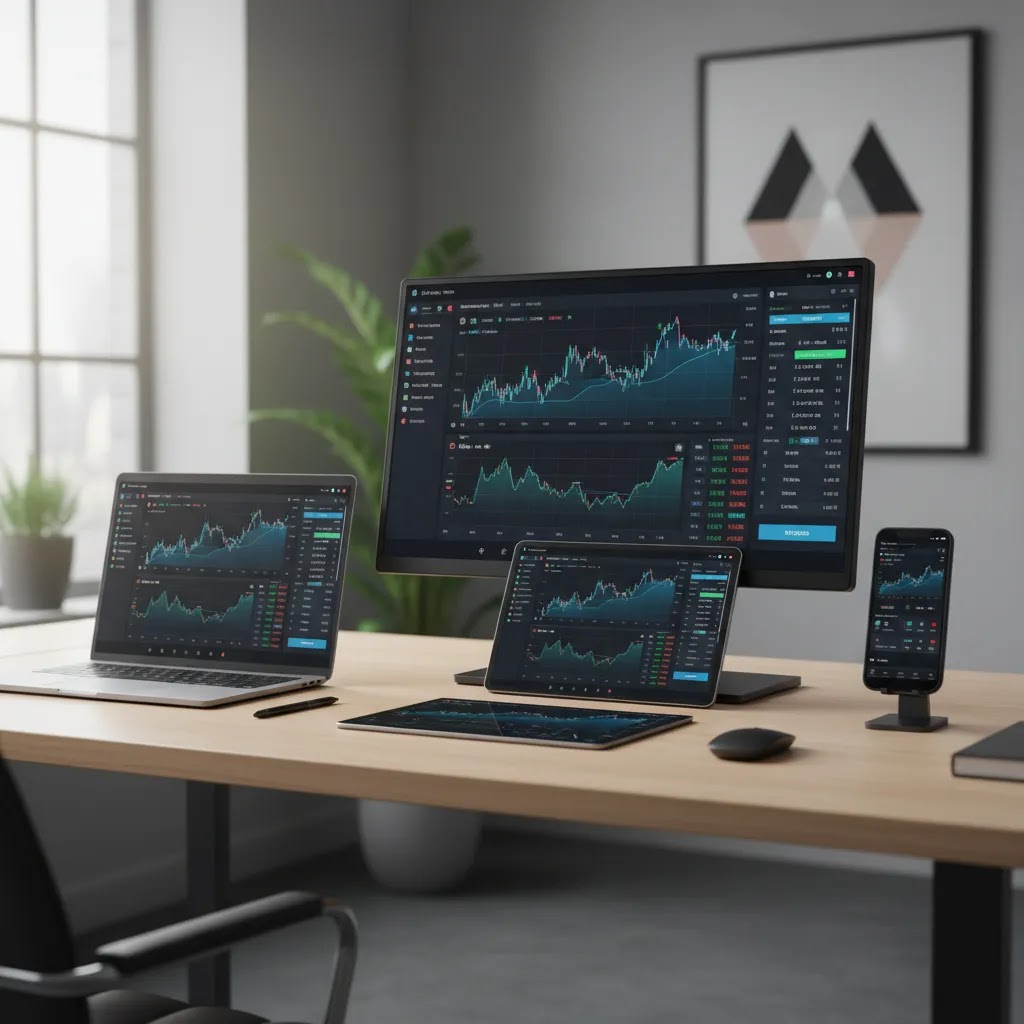
Most traders will see three main ways to access cTrader. cTrader Web is the browser-based version many people use for convenience, especially if they switch computers or want to avoid installing software on a work device. The desktop version is the traditional installed workstation setup, which may feel more stable for heavy charting and multi-monitor layouts. There is also a mobile app experience for iOS and Android, which is usually focused on monitoring, alerts, and fast order management rather than building a full workspace from scratch.
What changes between web, desktop, and mobile is often about workflow rather than core capability. You may notice differences in how watchlists are organized, how many charts you can comfortably manage at once, and how quickly you can edit orders or adjust risk controls while on the move. Alerts and notifications can also feel different depending on whether you are using browser permissions, desktop notifications, or mobile push alerts.
Now, when it comes to “cTrader login,” there are two common patterns. In many cases, you log in through your broker’s trading account credentials, meaning your cTrader access is tied directly to the broker entity that holds your account. In other setups, you may use a cTrader ID, which can help you manage profiles and move between devices more smoothly. Even then, your tradable instruments, pricing, leverage limits, and data feeds are still broker-dependent, so the login method does not change the underlying trading conditions.
If you are searching for ctrader download for pc or ctrader download, treat it as a safety check, not just a convenience step. Start by confirming which broker entity you are opening an account with, and then use the broker-provided download path or approved platform access instructions. Avoid unofficial downloads, “cracked” installers, or third-party bundles, because those can create security risks and may not connect properly to your broker’s servers. From a practical standpoint, it also helps to confirm device compatibility early, including operating system requirements and whether your workstation can handle multiple charts without slowing down.
Which brokers currently offer cTrader
Based on the current Business24-7 product data provided for this article, Pepperstone is the most direct example of a broker offering cTrader. It is listed as a forex/CFD broker with a 4.5/5 rating and supports MT4, MT5, cTrader, and TradingView. Its stated strengths include ultra-low spreads, fast execution, advanced charting, and copy trading.
Pepperstone may appeal to traders who specifically want cTrader access without a minimum deposit requirement. The broker is also listed as DFSA regulated in the UAE, which could matter to readers who want a locally relevant trust signal. Fee-wise, the Razor account starts from 0.0 pips with a $7 per lot commission, while the Standard account is spread-only.
That said, choosing a cTrader broker should never stop at platform availability. You should still check whether the broker offers the markets you want, whether it supports an Islamic account if that matters to you, and whether the pricing model matches your trading frequency. Pepperstone is listed with swap-free Islamic accounts and access to forex, indices, commodities, crypto, and share CFDs.
If you are also considering MetaTrader-based options, you may want to compare cTrader brokers with firms offering strong MT5 support. Our metatrader 5 guide can help frame that decision. If your goal is to narrow down regulated choices first, browse our overview of forex brokers uae before focusing on platform preference alone.
cTrader automation, cBots, and the ecosystem
What many people overlook is that cTrader is not just a manual trading interface. It also has an automation layer that attracts systematic traders, plus a wider ecosystem of tools and strategy sharing. Depending on your broker setup, that ecosystem can include custom indicators, automated strategies called cBots, and in some cases access to strategy libraries or marketplaces where traders can browse, test, or purchase tools created by third parties.
cBots are essentially automated trading programs that can monitor the market and place trades based on pre-defined rules. Traders typically use them to standardize execution, remove some emotional decision-making, or test whether a rule set has any edge after costs. Custom indicators serve a different purpose, they help you analyze or visualize data in a way that is not available by default. Some brokers may also support hosted or cloud-style running options for algorithms, while others expect you to run your automation on your own machine or a VPS. Availability and performance can vary, so it is worth verifying what your broker actually supports on cTrader, rather than assuming every feature is identical across brokers.
Consider this before you get pulled in by marketing claims: automation does not reduce risk, and marketplace performance numbers are not reliable predictors of future results. Backtests can be useful, but they can also be misleading if they rely on curve fitting, unrealistic fills, or assumptions that ignore spreads, commissions, and slippage. Even a strategy that looks strong on paper can break down in live conditions when liquidity shifts or volatility spikes. This is especially relevant for higher-frequency approaches, where small changes in execution quality can materially change outcomes.
If you are evaluating a cBot or a third-party tool, focus on the basics that tend to matter in real trading. The strategy logic should be clear enough that you can understand what it is trying to do and when it is likely to struggle. Look for evidence of drawdowns and losing periods, not just headline returns. Stress-test assumptions about costs, because a strategy that looks profitable at near-zero spreads may behave very differently on a commission account or during wider spreads in fast markets. It also helps to align the strategy with your broker’s execution model, since not all strategies are compatible with every environment. None of this guarantees success, but it does help you filter out tools that are simply not credible.
Pros and Cons
Strengths
- cTrader is widely appreciated for a cleaner, more modern interface than many legacy trading platforms.
- The platform typically offers strong charting and order management, which may appeal to active forex and CFD traders.
- cTrader web access can be convenient for traders who want flexibility across devices without relying only on desktop software.
- It often supports copy trading and algorithmic trading workflows, which broadens its appeal beyond purely manual trading.
- Based on current Business24-7 broker data, Pepperstone offers cTrader with a $0 minimum deposit and DFSA regulation in the UAE context.
- Pepperstone also lists swap-free Islamic accounts, which may be relevant for many UAE and MENA readers.
Considerations
- cTrader availability depends on the broker, so your choices may be narrower than with MT4 or MT5.
- Platform quality does not remove trading risk, and advanced tools can sometimes encourage overly frequent trading.
- Some traders may find the cTrader ecosystem less familiar than MetaTrader, especially if they rely on a long-standing library of third-party tools.
- Broker costs still matter. For example, Pepperstone Razor pricing includes a $7 per lot commission even though spreads start from 0.0 pips.
Who cTrader may suit
cTrader may suit you if you are a forex or CFD trader who wants a more modern experience than older trading terminals typically provide. It can be a good fit for traders who care about chart clarity, quick order entry, and flexible platform access across web and desktop environments.
It may also suit intermediate traders in the UAE who already understand spreads, commissions, and leverage, and who want to compare broker execution quality rather than just brand popularity. If you are completely new, cTrader can still be accessible, but you should be prepared to learn order types, risk controls, and broker pricing before trading live.
If your needs are broader, such as direct investing in real stocks, bonds, or large multi-asset portfolios, a platform built around forex and CFDs may not always be the best fit.
Business24-7 editorial view
At Business24-7, our approach is to separate platform quality from broker quality because readers often confuse the two. cTrader may be a strong platform, but your real-world experience still depends on the broker’s regulation, fee structure, asset range, and support quality. That is especially important for UAE readers sorting through competing claims online.
Business24-7 is built around educational, safety-first evaluations for the local market, and our editorial direction reflects Braden Chase’s background as a former research specialist at Forex.com, as confirmed in our current brand data. If cTrader is on your shortlist, use our Trading Platforms and Brokers resources to compare platform styles, then check our Broker Reviews hub before making a final decision. That process may help you judge the broker and the platform together rather than in isolation.

How to evaluate cTrader with a broker
If you are considering a ctrader platform, use a checklist that goes beyond interface preferences. The following criteria tend to matter most.
1. Regulation and local relevance
Start with regulation. In the UAE context, traders often look for oversight from bodies such as the DFSA or SCA, depending on the broker structure. International oversight from regulators such as the FCA, ASIC, or CySEC may also strengthen trust, although the practical protections available to you can vary by entity and jurisdiction.
For example, Pepperstone is listed with DFSA, FCA, ASIC, CySEC, and BaFin regulation. That is useful data, but you should still confirm which entity would hold your account.
2. Spreads, commissions, and account type
Do not assume tighter spreads always mean lower total cost. Some cTrader brokers may pair very low raw spreads with a commission. Pepperstone’s Razor account starts from 0.0 pips and charges $7 per lot commission, while its Standard account uses spread-only pricing. Which is better depends on your trade size and frequency.
3. Market access
Check whether the broker offers the instruments you actually plan to trade. Pepperstone’s listed asset range includes forex, indices, commodities, crypto, and share CFDs. If you need direct stock investing or access to funds and bonds, a different broker model may fit better.
4. Platform fit and learning curve
cTrader is often praised for usability, but your own workflow still matters. If you already rely on MetaTrader indicators or a specific community of tools, switching may not be as smooth as it first appears. That is one reason readers often compare cTrader vs MT5 rather than judging either platform in isolation.
5. Islamic account availability and support
For many UAE readers, swap-free access is an important practical consideration. Pepperstone is listed as offering an Islamic account. You should still verify the exact terms, eligible instruments, and any administrative fees or holding conditions before opening an account.
No matter which platform you choose, remember that strong software does not guarantee strong results. Trading forex and CFDs involves substantial risk, leverage can magnify losses, and past performance does not guarantee future returns.
Which cTrader broker should you choose? A UAE shortlisting method
Think of it this way: searching for “cTrader brokers” is really two separate tasks. First, you want to confirm which brokers actually offer cTrader for your region and account entity. Second, you want to judge whether those brokers are credible, properly regulated, and competitively priced for the way you trade. Platform availability is only the starting filter.
Start by shortlisting based on regulation and entity clarity. In the UAE, that often means paying attention to whether there is DFSA oversight for Dubai-based structures, or SCA relevance depending on how the broker is operating and marketing locally. Many global brokers also serve UAE residents via offshore or international entities regulated by bodies such as the FCA, ASIC, or CySEC. Those can be meaningful regulators, but the protections, leverage limits, and complaint pathways you actually have can differ depending on which entity holds your account. The key is to confirm the exact legal entity before you fund an account, not after.
Once regulation checks out, verify what “offers cTrader” means in practical terms. Some brokers support cTrader for specific account types only, or limit certain markets on cTrader compared with their MT4 or MT5 offering. Confirm the instruments you care about on cTrader specifically, not just on the broker’s website in general. If you trade around news or hold positions overnight, also pay attention to how the broker explains spreads, commissions, and overnight financing or swap arrangements, including swap-free account terms where applicable.
From a practical standpoint, it helps to pressure-test the broker’s fee transparency beyond headline spreads. Look for non-trading fees that can catch people off guard, such as withdrawal charges, currency conversion costs, or inactivity fees, where applicable. Execution quality can matter as much as the posted spread, especially for active strategies, because slippage and order re-quotes can change outcomes in fast markets. Customer support is another underrated variable. If a broker is slow to answer basic questions about entity, fees, or withdrawals before you deposit, that is a meaningful signal about how issues may be handled later.
Finally, be cautious with common red flags that show up in the region when people search for cTrader brokers. Vague licensing claims without an entity name, unclear disclosure about where your account is held, and marketing that leans on unrealistic performance outcomes are all reasons to slow down. cTrader is a solid platform, but it cannot compensate for a broker that is not transparent about regulation, pricing, or how client money is handled.
Frequently Asked Questions
What is cTrader used for?
cTrader is mainly used for forex and CFD trading. Traders typically use it to analyze charts, place orders, manage positions, and in some cases access copy trading or algorithmic trading tools. The platform itself is only part of the picture, though. Your actual trading conditions depend on the broker offering it.
Is cTrader available in the UAE?
Yes, cTrader may be available to UAE-based traders through certain brokers. Based on current Business24-7 data, Pepperstone offers cTrader and is listed as DFSA regulated in the UAE context. Availability, account terms, and product access may vary depending on the legal entity serving your account.
Is cTrader better than MT5?
That depends on what you value most. Many traders prefer cTrader for interface design and trade management, while MT5 may appeal more to users who want a familiar MetaTrader ecosystem. Neither platform is automatically better for everyone. Cost, broker quality, and your own workflow often matter more than brand alone.
Can beginners use cTrader?
Beginners can use cTrader, especially if they want a cleaner layout than older platforms. Even so, the learning curve should not be underestimated. You still need to understand spreads, leverage, stop-loss orders, and position sizing. A simple interface may help, but it does not reduce market risk.
Does cTrader support copy trading?
Yes, cTrader is commonly associated with copy trading functionality. This can be attractive for users who want to follow strategy providers, but it should not be treated as passive or low-risk investing. Performance can vary, losses are possible, and past returns from copied strategies do not guarantee future outcomes.
Do I need to download cTrader?
Not always. Many traders use ctrader web, which can provide browser-based access without a full desktop installation. Others prefer a downloadable version for a more fixed workstation setup. The exact options available may depend on the broker, device, and operating environment you are using.
Which broker on Business24-7 offers cTrader?
Based on the current product data available for this article, Pepperstone is listed as offering cTrader alongside MT4, MT5, and TradingView. It is rated 4.5/5 on Business24-7, has a $0 minimum deposit, and is listed with DFSA, FCA, ASIC, CySEC, and BaFin regulation.
Is cTrader good for forex trading?
cTrader is often well suited to forex trading because of its charting tools, order controls, and active-trader layout. That said, the quality of your forex trading experience also depends on spreads, commissions, execution, and regulation at the broker level. The platform alone should not be your only decision factor.
Does cTrader have Islamic account support?
Islamic account support is determined by the broker, not by cTrader itself. For example, Pepperstone is listed on Business24-7 as offering a swap-free Islamic account. If this matters to you, confirm the exact terms with the broker because eligibility, fees, and instrument coverage may differ.
What should I check before opening a cTrader account?
Focus on regulation, total trading costs, available markets, withdrawal policies, and customer support quality. In the UAE, many readers also look for DFSA or SCA relevance, Arabic support, and Islamic account options. A polished platform is helpful, but trust, transparency, and risk controls should come first.
Is cTrader available in the USA?
cTrader availability in the United States is typically limited. Even if the software exists, US residents are often constrained by which brokers are authorized to offer forex and CFD trading to retail clients under US rules. The practical answer usually comes down to whether a US-compliant broker offers cTrader, not whether the platform can be downloaded.
Can US residents use cTrader?
In many cases, US residents cannot use cTrader for live forex or CFD trading because the deciding factor is the broker’s regulatory status and what platforms it is allowed to provide to US clients. If you are a US resident, you would typically need to confirm broker eligibility and platform support under US regulation before assuming cTrader is an option.
What brokers allow cTrader?
cTrader is offered through specific brokers, and availability can differ by country and account entity. Based on current Business24-7 product data for this article, Pepperstone is a clear example of a broker offering cTrader. If you are comparing options, confirm regulation, the entity that will hold your account, and whether cTrader access applies to your specific account type.
Is cTrader better than MetaTrader?
It depends on what you mean by “better.” cTrader is often praised for its interface, charting workflow, and order management, while MetaTrader platforms are known for their long-established ecosystem and broad broker availability. For most traders, the deciding factors are broker regulation, total costs, execution quality, and whether the platform fits their strategy, rather than the platform name alone.
Key Takeaways
- cTrader is popular because it combines a modern interface with strong charting and trade management tools.
- The broker offering cTrader matters as much as the platform itself, especially for regulation, fees, and account conditions.
- Based on current Business24-7 data, Pepperstone is a notable cTrader broker with DFSA regulation in the UAE context, a $0 minimum deposit, and both raw-spread and standard pricing options.
- cTrader may suit active forex and CFD traders, but it is not automatically the right fit for every investor or every strategy.
- Before choosing, compare cTrader against MT5 and review broker regulation, Islamic account terms, and total costs carefully.
Conclusion
cTrader has earned its reputation for good reason. It is a capable, trader-focused platform that may feel easier to use than some older alternatives, while still offering enough depth for more serious forex and CFD traders. Even so, the platform should never be judged in isolation. Regulation, spreads, commissions, asset coverage, and support standards at the broker level will shape your real experience far more than interface design alone.
If you are narrowing your shortlist, use Business24-7 as your reference point before making a decision. Compare platform types, review regulated broker options relevant to the UAE, and read deeper broker evaluations so you can assess fit, safety, and costs with more confidence.
Disclaimer: The content published on Business24-7 is intended for informational purposes only and does not constitute financial advice, investment recommendations, or an endorsement of any specific platform or financial product. Trading and investing carry significant risk, including the potential loss of capital. You should conduct your own research and, where appropriate, seek independent financial advice before making any investment decisions. Business24-7 does not accept responsibility for any financial losses incurred as a result of information published on this site.
Disclaimer
eToro is a multi-asset platform which offers both investing in stocks and cryptoassets, as well as trading CFDs.
Please note that CFDs are complex instruments and come with a high risk of losing money rapidly due to leverage. 61% of retail investor accounts lose money when trading CFDs with this provider. You should consider whether you understand how CFDs work, and whether you can afford to take the high risk of losing your money
This communication is intended for information and educational purposes only and should not be considered investment advice or investment recommendation. Past performance is not an indication of future results.
Copy Trading does not amount to investment advice. The value of your investments may go up or down. Your capital is at risk.
Crypto assets are complex and carry a high risk of volatility and loss. Trading or investing in crypto assets may not be suitable for all investors. Take 2 mins to learn more
eToro USA LLC does not offer CFDs and makes no representation and assumes no liability as to the accuracy or completeness of the content of this publication, which has been prepared by our partner utilizing publicly available non-entity specific information about eToro.

Braden Chase is an investor, trading specialist, and former research specialist for Forex.com who helps aspiring investors develop the confidence and habits they need to make an income from the market. Braden has served as a registered commodity futures representative for domestic and internationally-regulated brokerages and has also spoken & moderated numerous forex and finance industry panels across the globe.