

If you want to invest in gold in the UAE, you have more than one path. You could buy jewelry, coins, or bars in Dubai, use a broker to trade gold price movements, or gain exposure through funds and other paper-based products. That variety is useful, but it also creates confusion. The right option for you may depend on whether you want long-term wealth preservation, short-term trading flexibility, lower storage concerns, or Sharia-conscious account features. This guide compares the main methods in plain language, with a focus on UAE access, fees, and regulation. If you are still learning the basics of gold trading uae, this article should help you narrow your options before you commit capital.
Your Main Ways to Invest in Gold in the UAE
Most UAE investors look at gold for one of three reasons: portfolio diversification, inflation concerns, or short-term price opportunities. Gold may play each of those roles differently depending on how you access it.
The broad options are:
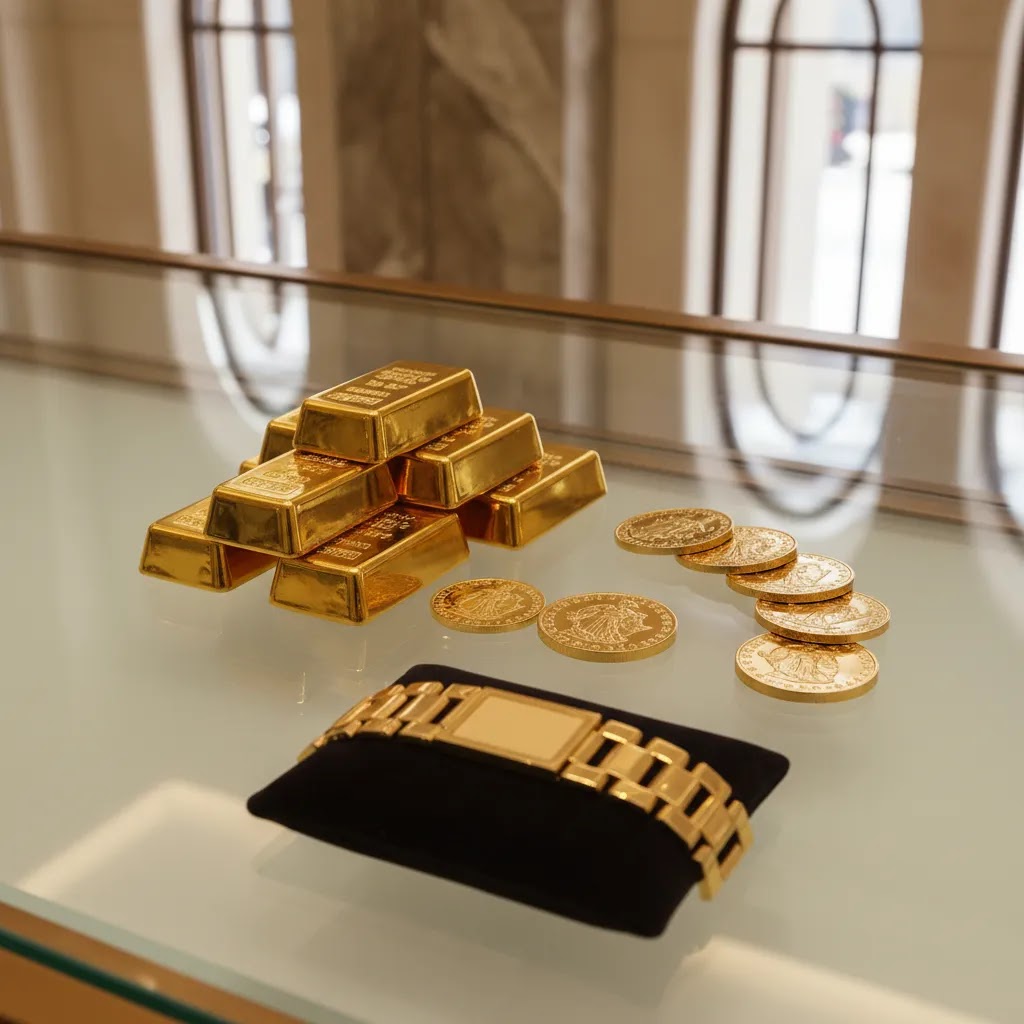
- Physical gold such as bars, coins, and jewelry bought from dealers or retail outlets
- Exchange-traded or fund-based exposure, often called paper gold, where you track gold prices without taking delivery
- Broker-based gold trading through spot gold, CFDs, or related instruments offered on trading platforms
- Gold savings or account-style products, where available, that build exposure gradually over time
For readers comparing physical ownership with fund-based access, our guide on gold etf vs physical gold gives a more focused breakdown. If your broader goal is building a long-term portfolio in the region, you may also want to review how to invest uae before deciding how much gold exposure makes sense.
Gold can be useful, but it is not risk-free. Prices may fluctuate sharply, storage can add cost, and broker-based products can introduce leverage risk. Capital is at risk in all investment and trading activities.
Gold Investment Methods Compared
| Method | How it works | Main costs | Best suited for | Key consideration |
|---|---|---|---|---|
| Gold bars | You buy and store physical bullion | Dealer premium, storage, insurance | Long-term holders who want direct ownership | Storage and resale spreads may reduce flexibility |
| Gold coins | You buy minted coins for investment or collecting | Premiums above spot, storage, insurance | Investors who want smaller denomination physical gold | Premiums may be higher than bars |
| Jewelry | You buy wearable gold from retail sellers | Making charges, retail markup | Personal use with partial store-of-value appeal | Usually less efficient for pure investing |
| Gold ETFs or similar funds | You buy a fund that tracks gold prices | Broker fees, fund expense ratio | Long-term investors who want convenience | You do not usually hold the metal yourself |
| Gold trading via broker | You trade gold price movements on a platform | Spreads, commissions, overnight fees | Active traders and tactical investors | Leverage may increase losses as well as gains |
| Gold savings plans | You build exposure gradually through recurring purchases | Plan fees, provider spread, administration fees | Regular savers who prefer smaller contributions | Availability and product structure may vary widely |

Buying Physical Gold: Bars, Coins, and Jewelry
Physical gold remains popular in the UAE because it is tangible and familiar. Many investors are comfortable with the idea of holding bars or coins directly, especially in a market with strong retail gold infrastructure and well-known buying locations.
Gold bars are often the most efficient physical route for pure investment. Compared with jewelry, bars may carry lower premiums relative to the gold content. They can suit investors who want a long-term store of value and are comfortable arranging secure storage.
Gold coins can be easier to buy in smaller amounts and may be more practical if you want flexibility in sizing. The trade-off is that coin premiums can be higher than bar premiums, depending on brand, weight, and demand.
Jewelry is widely available across Dubai and the wider UAE, including Gold Souk-style retail markets. It may preserve value better than many consumer goods, but it is usually less efficient as a pure investment because making charges and retail markups can be significant.
If you are comparing gold with other long-term asset classes, our guide on gold vs stocks may help you decide whether gold should be a core holding or a smaller defensive allocation.
Paper Gold: ETFs, Broker Products, and Digital Access
Paper gold means you gain exposure to gold prices without taking physical delivery. This may appeal to investors who want easier buying and selling, simpler record-keeping, or no personal storage burden.
Gold ETFs and similar products can be useful for longer-term investors. You typically buy them through an investment account, and the fund aims to track the gold price. This route may be simpler than sourcing, storing, and insuring bars yourself.
Broker-based gold trading is different. Here, you may trade gold CFDs or similar products that follow the price of gold. This can offer flexibility for short-term positioning, but fees and risks differ from ETF investing. Spreads, rollover charges, and leverage terms matter.
Digital gold and gold account products can also appear attractive, especially for small recurring purchases. Still, investors should review exactly how the provider structures ownership, redemption, pricing, and custody before using them. Product terms may vary a lot.
For readers building a broader asset mix rather than a gold-only strategy, a basic diversification guide can help you think about position sizing and concentration risk.
Gold Savings Accounts in the UAE: Bank Gold Accounts and App-Based Digital Gold
Now, when it comes to gold savings and gold account-style products, the label can mean very different things. In the UAE you may see bank-style “gold accounts” and app-based digital gold that let you buy small amounts, sometimes measured in grams or even fractions of a gram. The convenience is real, but the structure is what determines whether it behaves more like buying gold, tracking gold, or trading gold.
Many of these products work by letting you buy and sell exposure at a quoted price inside the provider’s platform. In some cases, your balance is shown in grams and the value moves with gold prices. In other cases, it is more like a cash-settled position that tracks gold, meaning you can sell back to the provider but you may not have a clear path to physical delivery. Some offerings may support redemption into bars or coins, but the rules often include minimum redemption sizes, fabrication fees, delivery fees, and specific verification steps.
What many people overlook is how the costs show up. With gold accounts and digital gold, you may not see a commission line item, but you can still pay through the spread between the provider’s buy price and sell price. Some providers also apply custody, administration, or platform fees that add up over time, especially if you use a recurring purchase feature. If you are adding small amounts weekly or monthly, a slightly wider spread can turn into a meaningful cost over a year or two, even if each purchase looks inexpensive on its own.
From a practical standpoint, your due diligence should focus on the terms, not the marketing. Before you treat a gold account as a core holding, confirm what you actually own (a claim on metal, a claim on the provider, or a price-linked balance), whether gold is allocated or pooled, and whether an independent custodian is involved. If physical redemption is offered, check the minimum amount, the form of delivery, and the full list of charges. Also confirm how pricing is set, whether it is spot-linked with a transparent markup or a proprietary quote that can widen in volatile markets. None of these points guarantee better outcomes, but they help you understand the real product you are buying.
Platform Examples for Gold Exposure in the UAE
If you want to access gold through a broker rather than buy physical metal, regulation and cost structure should be your first filters. In the UAE, many readers look for oversight from bodies such as the DFSA or SCA, while also considering international regulators like the FCA, ASIC, or CySEC where relevant.
Based on Business24-7 product data, several brokers offer gold-related exposure as part of broader multi-asset or CFD access:
- eToro: rated 4.5/5, minimum deposit $200, offers commodities alongside stocks, ETFs, forex, indices, and crypto. Regulation listed includes CySEC, FCA, ASIC, and ADGM. UAE-specific features include AED deposits and Arabic support.
- AvaTrade: rated 4.5/5, minimum deposit $100, offers commodities and is regulated by ADGM FSRA, CBI, ASIC, and FSA Japan. UAE-specific features include AED accounts.
- Pepperstone: rated 4.5/5, minimum deposit $0, offers commodities with spreads from 0.0 pips on Razor and DFSA regulation among its listed licenses.
- Plus500: rated 4.0/5, minimum deposit $100, offers commodities through a simple interface and is regulated by DFSA, FCA, CySEC, ASIC, and MAS.
- XTB: rated 4.0/5, minimum deposit $0, offers commodities and is regulated by DFSA, FCA, CySEC, and KNF.
- Capital.com: rated 4.0/5, minimum deposit $20, offers commodities with spread-only pricing and is regulated by the SCA, FCA, CySEC, and ASIC.
- ADSS: rated 4.0/5, minimum deposit $100, UAE-headquartered and regulated by the SCA, with AED accounts and local support.
These platforms are not identical. Some may suit active traders looking for tighter spreads, while others may fit beginners who value a simpler interface. If you are at the decision stage, you can review our roundup of the best gold trading platforms uae for a more platform-specific comparison.
Business24-7 approaches these comparisons with a safety-first lens. That editorial approach is shaped by Braden Chase’s background as a former research specialist at Forex.com and by the site’s UAE market focus. The goal is not to push one route for everyone, but to help you compare options with a clearer sense of cost, structure, and risk.
How to Buy Digital Gold in the UAE Step-by-Step
Consider this: digital gold can mean a bank gold account, an app-based grams balance, or broker access to gold price instruments. So the first step is deciding which “digital” route you actually want, because the onboarding and the risks are not the same.
A simple process usually looks like this. First, choose the provider type that matches your goal. If you want long-term, unleveraged price exposure inside an investment account, ETF-style access may fit better. If you want active trading tools and potentially leverage, a regulated broker account is the more common route. If you want to build exposure gradually in small increments, a gold savings or account-style product may be the most convenient, but only if the pricing and redemption terms are clear.
Next, complete onboarding and verification. UAE users should pay attention to which entity is actually onboarding them and which regulator applies. Depending on the product, that could involve the SCA or DFSA locally, or an international regulator such as the FCA, ASIC, or CySEC. This matters because the regulator and jurisdiction often determine disclosures, complaint channels, and the rules around how client assets are handled.
Then fund your account in a way you understand. Some platforms support AED deposits, others are mainly USD-based, and conversion costs can be an overlooked drag on returns if you contribute regularly. After you deposit, place a small first order so you can see how pricing and execution work. For broker trading, confirm whether you are buying an unleveraged product or trading a CFD. For account-style digital gold, confirm whether your balance is shown in grams, how fractional amounts are handled, and what it would take to sell the position back and withdraw your cash.
Here’s the thing: safety checks are not only about regulation. Before you deposit meaningful capital, confirm how custody and ownership are described in the terms. If the product claims to be backed by physical gold, look for clear language on whether gold is allocated in your name or held on a pooled basis. Also check where the provider’s price comes from. Some use a spot-linked reference with a disclosed markup, while others use an internal quote that may widen during volatile periods. None of this removes market risk, but it helps you avoid common surprises.
Common first-time mistakes in the UAE include assuming a “gold account” always allows physical delivery, ignoring the buy-sell spread because it is not shown as a fee, and not checking liquidity or exit rules. If you cannot explain, in one sentence, how you would sell and how long withdrawal may take, you probably need to read the terms again before you scale up.
Pros and Cons
Strengths
- Gold can add portfolio diversification and may behave differently from stocks and some other risk assets.
- The UAE offers multiple access routes, from physical bars and coins to ETFs and broker-based trading platforms.
- Several brokers in Business24-7’s data offer commodities access with UAE-relevant regulation such as DFSA, SCA, or ADGM-linked oversight.
- Physical gold may appeal to investors who want direct ownership rather than relying only on financial intermediaries.
- Broker and ETF-style access may be more convenient for investors who value liquidity and easier transaction management.
- Some platforms offer low entry points, such as Capital.com at $20 minimum deposit, Pepperstone at $0, and XTB at $0, which may lower the barrier to getting started.
Considerations
- Gold prices can be volatile, so neither physical ownership nor trading exposure should be treated as a guaranteed store of value over short periods.
- Physical gold introduces practical issues such as storage, insurance, authenticity checks, and resale spreads.
- Broker-based gold trading may involve spreads, commissions, and overnight funding fees, depending on the platform and instrument used.
- Leverage on CFDs or similar products can magnify losses and may not suit inexperienced investors.
- Jewelry is often less efficient than bars or coins for investment because retail markups and making charges can be substantial.

Who Each Method May Suit
Physical gold may suit UAE-based investors who value direct ownership, are thinking in years rather than weeks, and are comfortable handling storage and insurance. Bars could be the better fit for efficient bullion exposure, while coins may work better for smaller purchase sizes.
Gold ETFs and similar paper products may suit long-term investors who want easier portfolio management and do not need to hold metal personally. Broker-based gold trading may fit experienced or intermediate users who understand spreads, leverage, and short-term market risk.
If you are mainly trying to preserve purchasing power with modest gold exposure, a fund or gradual savings approach may be easier to manage than active trading. If you want short-term tactical exposure, platform features and regulation become more important than physical ownership.
Small-Amount and Monthly Gold Saving Plans in the UAE
Think of it this way: there are two very different “small amount” approaches to gold. One is an investing approach, where you want to accumulate a long-term position with low friction. The other is a trading approach, where you are using small size to manage risk while you learn how gold moves.
For regular savers, gold savings plans and some digital gold accounts can make it possible to start with small minimums, sometimes around 1 gram or even fractional gram amounts, depending on the provider’s rules. That can suit readers who prefer to average in over time rather than make a single large purchase. Broker platforms can also offer small-position flexibility through fractional exposure or smaller contract sizing, but that depends on the instrument and whether leverage is involved, which can change the risk profile materially.
Monthly or recurring gold saving can have a behavioral benefit: it may reduce the temptation to time the market, and it can turn gold exposure into a habit like any other savings plan. The trade-off is cost. If each recurring purchase has a spread embedded in the price, paying that spread 12 times a year can be more expensive than paying it once on a lump sum, even if the spread looks small on each transaction. Some plans may also add ongoing administration or custody fees that are easy to miss in the fine print.
To judge whether a recurring plan is efficient, track your effective premium and exit cost. That means looking at the difference between the provider’s buy price and sell price, any explicit monthly fees, and any minimum redemption or withdrawal charges. If you are saving in grams, also check whether selling requires you to liquidate at the provider’s price instantly or whether you can set limit-style prices. A recurring approach can still be reasonable for many investors, but it should be chosen with clear awareness of total cost and how you would exit if your plans change.
How to Choose the Right Gold Investment Method
There is no single best way to invest in gold in the UAE for every reader. A better question is which method matches your goals, time horizon, and tolerance for complexity.
1. Start with your purpose
If you want long-term wealth preservation, physical bars or ETF-style exposure may make more sense than active trading. If you want to respond to short-term price moves, a broker account may be more practical. Your goal should shape the product you choose.
2. Review regulation and provider credibility
For broker-based exposure, check whether the firm is regulated by recognized authorities. In Business24-7’s data, examples include the DFSA, SCA, ADGM, FCA, ASIC, and CySEC. Regulation does not remove risk, but it may improve standards around conduct, disclosures, and client protection.
3. Understand the real cost structure
Physical gold may involve premiums, storage, and insurance. ETFs may involve broker costs and fund charges. Trading platforms may apply spreads, commissions, and overnight funding. For example, Pepperstone lists Razor pricing with $7/lot commission, while Plus500 uses spread-only pricing and notes overnight funding fees. Cost differences may materially affect outcomes over time.
4. Consider liquidity and exit flexibility
Some investors focus only on how to buy gold, but selling matters too. ETFs and broker products may be easier to enter and exit quickly. Physical bars and coins may take more effort to resell, and the buy-sell spread may vary by dealer and product type.
5. Match the method to your experience level
Beginners may prefer simpler, unleveraged exposure. More experienced traders might value tools, charting, or lower spreads. That does not mean advanced products are better. It only means the method should match your understanding and risk tolerance.
If you are comparing broader financial learning resources before making a final decision, you can browse Business24-7’s Gold and Commodities and Investing and Wealth Building sections for related guides.
Frequently Asked Questions
What is the best way to invest in gold in the UAE?
The best method depends on your goal. Physical bars may suit investors who want direct ownership, while ETFs or similar products may suit those who prefer convenience. Broker-based gold trading may fit active traders, but it usually carries higher short-term risk, especially if leverage is involved.
Is buying gold bars in Dubai a good investment?
Gold bars may be a practical way to hold physical bullion in the UAE, especially for long-term investors focused on direct ownership. Still, you should account for dealer premiums, storage, insurance, and resale spreads. It may work well for some investors, but it is not automatically the lowest-cost option in every case.
Are gold ETFs available to UAE investors?
Many UAE investors can access gold ETFs or similar fund products through investment platforms or brokerage accounts, depending on account access and jurisdiction. These products may offer easier buying and selling than physical bullion. You should still review fees, market access, and the structure of the fund before investing.
What is the difference between gold trading and buying physical gold?
Buying physical gold means owning bars, coins, or jewelry directly. Gold trading usually means speculating on price movements through a broker, often using CFDs or similar instruments. Physical ownership involves storage and insurance, while trading products may involve spreads, commissions, funding costs, and potentially leverage-related risk.
Is gold trading legal in the UAE?
Gold trading is generally available through regulated financial platforms serving UAE residents, but the provider’s legal status and oversight matter. Many readers look for regulation from the DFSA, SCA, or internationally recognized bodies such as the FCA, ASIC, or CySEC. Always verify the exact entity and jurisdiction before opening an account.
Can beginners invest in gold through a broker?
Yes, but beginners should be careful about the product type they choose. Unleveraged or simpler investment routes may be easier to understand than short-term CFD trading. A beginner should review fees, risk tools, minimum deposits, and regulation carefully, and avoid assuming gold exposure is low risk just because the asset is familiar.
Is jewelry a good way to invest in gold?
Jewelry may hold value, but it is often less efficient than bars or coins for pure investment purposes. Making charges, design premiums, and retail markups can reduce resale efficiency. If your main goal is gold exposure rather than personal use, bars or coins may be the more straightforward route.
Which brokers offer gold access for UAE traders?
Based on Business24-7 product data, brokers offering commodities access include eToro, AvaTrade, Pepperstone, Plus500, XTB, Capital.com, and ADSS. They differ in minimum deposit, fee model, platform tools, and regulatory status. That is why it is worth comparing the exact product structure before choosing one.
Is physical gold safer than paper gold?
Physical gold removes some counterparty concerns because you hold the asset directly, but it introduces storage, theft, and insurance issues. Paper gold may be more convenient and liquid, but it depends on the structure and provider. Neither route is risk-free, and each has trade-offs that matter in different situations.
Can I invest in gold in the UAE?
Yes. UAE residents can typically access gold through physical bullion and jewelry markets, through ETFs and other fund products (depending on account access), and through regulated brokers offering gold-related instruments. Some banks and apps also offer gold account or savings-style products. The right route depends on whether you want physical ownership, portfolio-style exposure, or trading flexibility, and you should always review fees, product structure, and the relevant regulator for the entity you are using.
Is it worth buying gold in the UAE?
It can be worth considering if you want diversification or a hedge-like asset in your portfolio, but it depends on your time horizon and costs. The UAE has strong access to physical gold, but premiums, storage, and resale spreads still matter. Digital and broker routes can improve convenience, but they introduce product-structure and fee considerations. Gold prices can also be volatile, so it should not be treated as a guaranteed way to preserve value in the short term.
How much is 1 g of gold in AED?
The AED price of 1 gram of gold changes daily based on global gold prices and the USD-AED peg, plus the premium or spread charged by the seller or provider. For a practical estimate, check a live spot-linked quote and then compare it with the final buy price you are offered by a dealer, bank, app, or platform. The difference between the reference price and the buy price is often where a lot of the real cost shows up.
How to invest 10,000 AED in UAE?
If you are allocating 10,000 AED toward gold exposure, start by deciding whether you want physical ownership, fund-style exposure, or broker-based trading. Then compare the full cost of each route, including dealer premiums or spreads, storage or custody fees (if any), and how easy it is to sell. Many investors also think in terms of allocation size within a broader portfolio, rather than putting all funds into one asset. Your final choice should reflect your own risk tolerance and time horizon, and it helps to avoid leverage unless you fully understand how it can increase losses as well as gains.
Key Takeaways
- UAE investors can access gold through physical bullion, ETFs, savings-style products, and broker-based trading platforms.
- Physical gold offers direct ownership, but storage, insurance, and resale spreads are important practical costs.
- Paper gold and broker products may be easier to manage, but fees, provider structure, and leverage risk need close attention.
- Regulation matters. For broker access, look for oversight from bodies such as the DFSA, SCA, ADGM, FCA, ASIC, or CySEC where relevant.
- The right choice depends on whether you want long-term holding, easier liquidity, or short-term trading flexibility.
Conclusion
If you want to invest in gold in the UAE, the strongest starting point is not asking which method is most popular, but which one matches your objective. Physical gold may suit investors who value direct ownership. ETFs and similar products may work better for convenience and portfolio management. Broker-based gold trading may suit active users who understand cost and risk. Each route comes with trade-offs, and none should be treated as a guaranteed path to profit. Business24-7 aims to make those trade-offs easier to evaluate with clear, UAE-relevant guidance. Before making a final decision, browse our platform comparisons, gold education content, and broker reviews so you can compare costs, regulation, and usability with more confidence.
Disclaimer: The content published on Business24-7 is intended for informational purposes only and does not constitute financial advice, investment recommendations, or an endorsement of any specific platform or financial product. Trading and investing carry significant risk, including the potential loss of capital. You should conduct your own research and, where appropriate, seek independent financial advice before making any investment decisions. Business24-7 does not accept responsibility for any financial losses incurred as a result of information published on this site.
Disclaimer
eToro is a multi-asset platform which offers both investing in stocks and cryptoassets, as well as trading CFDs.
Please note that CFDs are complex instruments and come with a high risk of losing money rapidly due to leverage. 61% of retail investor accounts lose money when trading CFDs with this provider. You should consider whether you understand how CFDs work, and whether you can afford to take the high risk of losing your money
This communication is intended for information and educational purposes only and should not be considered investment advice or investment recommendation. Past performance is not an indication of future results.
Copy Trading does not amount to investment advice. The value of your investments may go up or down. Your capital is at risk.
Crypto assets are complex and carry a high risk of volatility and loss. Trading or investing in crypto assets may not be suitable for all investors. Take 2 mins to learn more
eToro USA LLC does not offer CFDs and makes no representation and assumes no liability as to the accuracy or completeness of the content of this publication, which has been prepared by our partner utilizing publicly available non-entity specific information about eToro.

If you want to invest in gold in the UAE, you have more than one path. You could buy jewelry, coins, or bars in Dubai, use a broker to trade gold price movements, or gain exposure through funds and other paper-based products. That variety is useful, but it also creates confusion. The right option for you may depend on whether…