

Buying shares in the UAE is a fairly straightforward process once you know which market you want to access, which broker to use, and what documents you may need before placing your first order. For most retail investors, the main challenge is not the mechanics of buying a stock, but choosing a regulated route and understanding the costs involved. This guide explains how to buy shares in the UAE step by step, including Dubai Financial Market (DFM) and Abu Dhabi Securities Exchange (ADX) access, online broker selection, account setup, and order placement. If you are still building your broader investing plan, start with our guide on how to invest uae stock market. The goal here is simple: help you make your first share purchase in a careful, informed way.
How Share Buying Works in the UAE
When people ask how to buy shares in UAE, they may mean one of two things. They may want to buy shares listed on local exchanges such as DFM or ADX, or they may want to use an online broker to buy international stocks, ETFs, or other listed securities.
In practice, the buying process usually involves four parts: choosing a regulated broker, completing identity verification, funding your account, and placing an order. If you want local market exposure, it also helps to understand how the uae stock market is structured before you begin.
For UAE residents, regulation matters. Depending on the platform, oversight may come from the Securities and Commodities Authority (SCA), the Dubai Financial Services Authority (DFSA), or well-known international regulators such as the Financial Conduct Authority (FCA) or the Australian Securities and Investments Commission (ASIC). Business24-7 generally treats clear regulatory status, transparent pricing, and practical account access as the key decision factors for new investors.
What You Need Before You Buy Shares
Before opening an account, prepare the documents and details most brokers will request during onboarding. In most cases, this includes your passport or Emirates ID, proof of address, contact details, and bank information for deposits and withdrawals. Some platforms may also ask about your employment status, income range, and investing experience as part of suitability and anti-money laundering checks.
If you plan to buy locally listed shares, you may also need an investor number depending on the exchange and brokerage route you use. Many investors specifically look into the nin number uae process before trying to buy DFM or ADX-listed shares.
If you are completely new to the process, our uae stock market guide gives broader context on market access, listed companies, and how local investing differs from using a global broker.
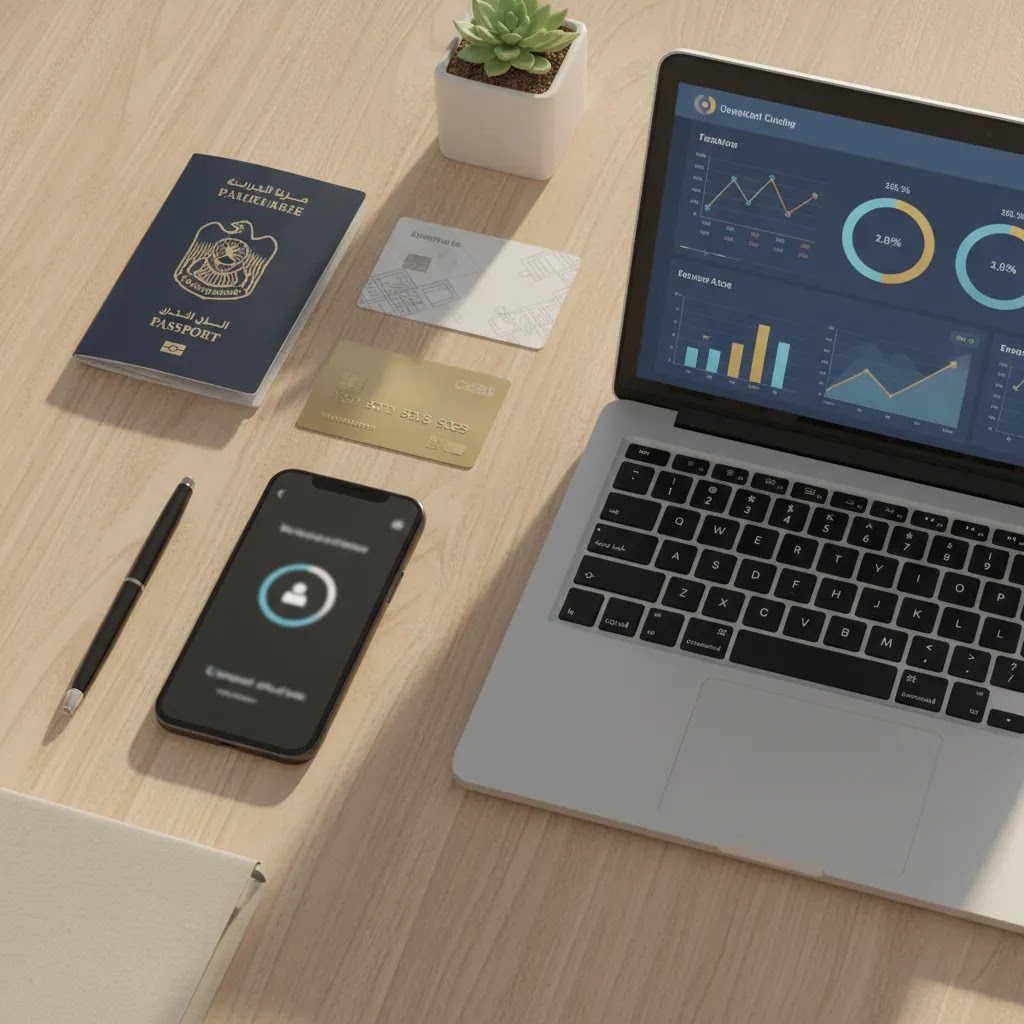
How to Open a UAE Trading Account for DFM and ADX (What’s Different vs Global Brokers)
Here’s the thing: buying UAE-listed shares on DFM or ADX can involve an extra “local rails” step compared to buying international stocks through a generic investing app. With many global brokers, you can open an account, fund it, and buy US or EU-listed shares without thinking about the local exchange infrastructure. For DFM and ADX access, you typically need a trading account with a broker that is connected to the UAE exchanges, so your orders can route to the local market and settle properly.
In practical terms, that local setup often includes an investor number, commonly referred to as a NIN. The investor number links you to the exchange and helps track ownership and settlement under the market’s rules. Depending on the broker and onboarding route, the NIN may be requested during the account opening process, or the broker may trigger the investor number creation as part of the exchange onboarding flow. Either way, it is one reason UAE-first investors can experience a few extra steps compared to opening a purely international trading account.
What many people overlook is that onboarding friction is usually operational, not financial. A few common issues that can slow approval include name matching across your Emirates ID, passport (if used), and bank account, plus incomplete address formatting or missing supporting documents. Some investors are also asked for additional KYC details, such as updated proof of address, source of funds information, or employment documentation. If that happens, treat it as a normal compliance step rather than a red flag, and respond with documents that match your official records as closely as possible. Account approval timelines vary by provider and workload, so it is sensible to allow extra time if you have a specific trade date in mind.
Step-by-Step: How to Buy Shares in the UAE
Step 1: Decide what shares you want to buy. Start by choosing whether you want UAE-listed shares, international stocks, or both. This decision affects which broker you need and what fees you may pay.
Step 2: Choose a regulated broker. For local investors, regulation should be a non-negotiable filter. A platform regulated by the SCA or DFSA may offer stronger local relevance, while internationally regulated brokers may provide access to a wider range of global markets.
Step 3: Open your account. Complete the broker application, upload ID documents, and wait for verification. If you need a practical walkthrough, see our guide on how to open trading account uae.
Step 4: Fund the account. Transfer money using one of the broker’s approved funding methods. Check account currency, transfer fees, and whether AED funding is supported.
Step 5: Search for the stock. Use the company name or ticker symbol to find the share you want. Confirm that you are buying the correct listing and exchange.
Step 6: Place your order. Most brokers let you use a market order, which buys at the current market price, or a limit order, which sets the maximum price you are willing to pay.
Step 7: Review your position. After the trade executes, monitor the holding, dividend policy if relevant, and any ongoing custody or platform charges.
How to Place a First Trade on DFM or ADX (Order Flow, Market Sessions, and Settlement Basics)
From a practical standpoint, your first UAE-local trade is mainly about confirming you are using the correct exchange listing, selecting an order type you understand, and checking the total cost before you confirm. In your broker platform, you will typically search for the company, then verify the exchange tag shows DFM or ADX, since some companies can have similarly named listings in other markets.
Once you are on the order ticket, you normally choose between a market order and a limit order. A market order is designed to execute at the best available price, which can be useful for liquid shares during active sessions, but the final fill price can differ from what you saw a moment earlier. A limit order lets you set the price you are willing to pay, which can help you control entry price, although it may not execute if the market does not trade at your limit. After that, you choose the quantity, review any estimated exchange fees or commissions shown by the broker, and confirm the trade.
Now, when it comes to timing, local exchanges run on set market sessions. If you place an order outside trading hours, the platform will usually queue it for the next session or reject it depending on the order type and broker settings. That is not a problem, but it can surprise first-time investors who expect instant execution at any hour, especially if they are used to international apps that make trading feel always-on.
Think of it this way: the trade you place has two important moments, the trade date when it executes, and the settlement date when the cash and shares are finalized in the system. Settlement timing varies by market rules and can change over time, but the key point is that there can be a short delay between execution and final settlement. This matters if you plan to sell quickly, withdraw funds immediately, or reuse the same cash balance for another purchase.
After you buy, corporate actions can also show up in your account. If the company pays a cash dividend, you may see the cash credited on the dividend payment date rather than on the day you bought. If there is a rights issue, you may receive a notification with options to participate, sell rights, or take no action depending on the terms and what your broker supports. If you are unsure, it is reasonable to contact support before responding, since corporate actions can have deadlines and can affect your position size.

Choosing a Broker or Platform
The right platform depends on the type of share investor you are. If you want broad international stock access and professional-grade tools, Interactive Brokers stands out in Business24-7 data with access to 150+ markets, a $0 minimum deposit, and regulation that includes the DFSA, the United States Securities and Exchange Commission (SEC), and the FCA. It may suit experienced investors, but beginners could find the platform more complex.
If you want a simpler route with lower entry barriers, eToro offers a $200 minimum deposit, 0% commission on real stocks, AED deposits, Arabic support, and oversight including the Abu Dhabi Global Market (ADGM), CySEC, FCA, and ASIC. XTB is another option for stock-focused investors, with a $0 minimum deposit, 0% commission stocks up to qualifying volume thresholds, and DFSA regulation.
Capital.com, regulated by the SCA in the UAE, has a low $20 minimum deposit and may appeal to users who want an easy mobile-first experience, but it is primarily known as a CFD broker, so investors should check whether the product they are choosing is a real share or a derivative.
If you are comparing providers before deciding, review the best stock brokers in the UAE and our broader guide to the best trading platform uae.
Fees and Costs to Expect
Costs vary significantly depending on whether you are buying real shares or trading share CFDs. That distinction matters because some brokers advertise low spreads, but spreads are mainly relevant to CFD trading, not long-term stock investing.
Based on current Business24-7 platform data:
- eToro offers 0% commission on real stocks, while spreads apply to CFDs.
- XTB also offers 0% commission stocks up to certain volume limits, with spreads on CFD products.
- Interactive Brokers uses tiered or fixed pricing and is generally more cost-efficient for higher-volume or more experienced investors.
- Saxo Bank offers broad market access and strong research, but its $2,000 minimum deposit may be too high for a first-time retail investor.
You should also check for currency conversion charges, withdrawal fees, inactivity fees, and custody costs where applicable. Some brokers make headline pricing look attractive while secondary fees add up over time. That is why Business24-7 treats fee transparency as one of the most important parts of any broker evaluation.
Risks and Safety Checks
Buying shares is not the same as putting money in a savings account. Share prices can rise and fall, dividends are not guaranteed, and market volatility can affect even well-known companies. If you use leveraged products such as CFDs instead of buying the underlying share, risk increases materially and losses may exceed your initial deposit depending on the product structure and account type.
Before funding any account, check the broker’s regulator, legal entity, product offering, and fee disclosures. For UAE readers, local regulatory relevance often means looking for SCA or DFSA oversight where available. International licenses from regulators such as the FCA, CySEC, or ASIC may still be meaningful, but they do not remove market risk.
For broader context on rules affecting retail investors, the UAE Regulation and Tax section can help you understand the compliance side of getting started.
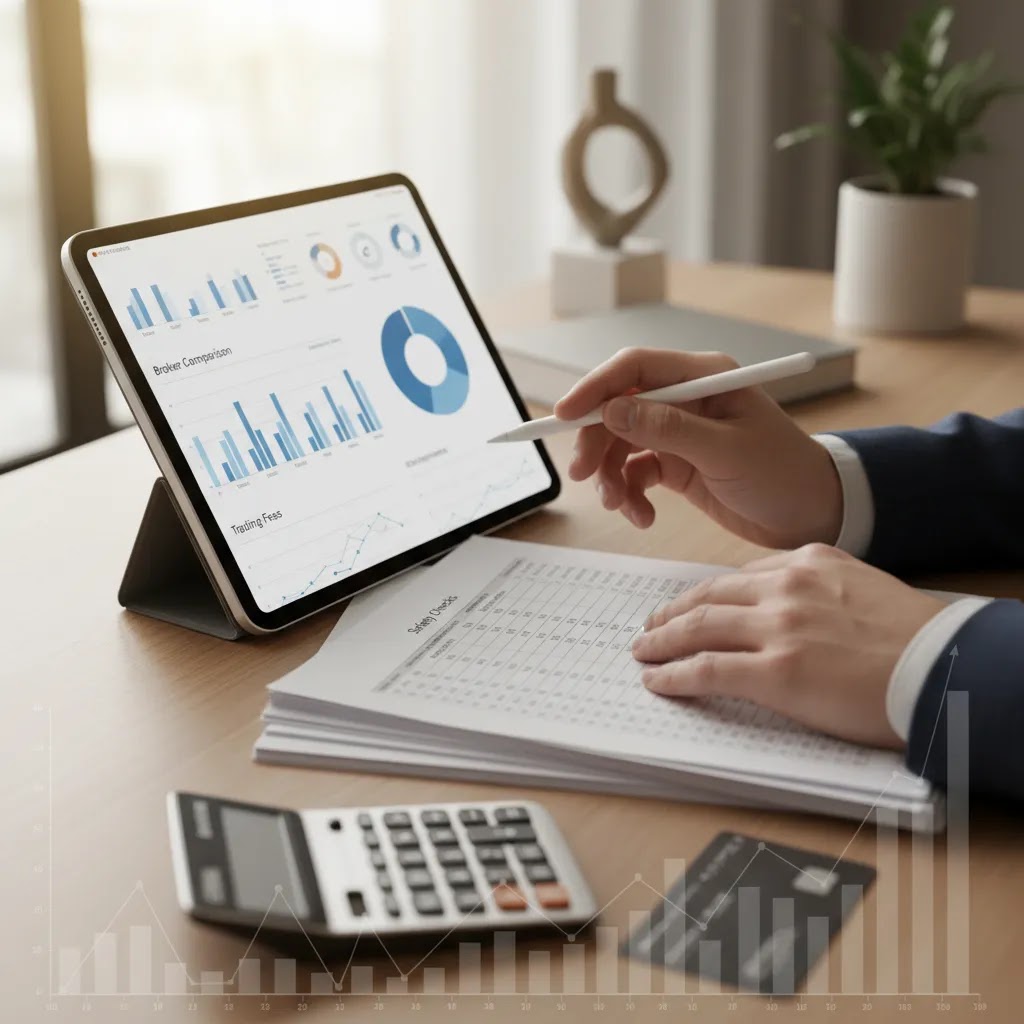
Choosing a UAE Broker: Practical Due Diligence Checks Beyond Regulation
The reality is that regulation is a starting point, not the full picture. Two brokers can both hold licenses, yet deliver very different day-to-day experiences for deposits, withdrawals, and trade execution. Before you commit funds, it helps to do a few practical checks that go beyond a logo on a website.
Start with the basics of transparency. You should be able to identify the broker’s legal entity, where it is regulated (SCA, DFSA, or a recognized international regulator such as FCA, CySEC, or ASIC), and which products you are actually trading. It should also be clear how client money is handled, including whether the broker discloses client money segregation practices and what protections apply under the relevant jurisdiction. A legitimate provider will typically publish a clear fee schedule and a documented complaints process, even if you never need to use it.
Consider this: operational details often matter more than marketing claims. Check how you can deposit and withdraw, typical processing times, and whether you can fund in AED or you will be converting to USD. Currency conversion and transfer fees can quietly change your real cost. Customer support also matters more than most beginners expect, especially when you have an account verification delay, a corporate action question, or a withdrawal you want to track. Platform stability is another real-world factor. During volatile sessions, some platforms may lag or show delayed quotes, which can affect order placement and risk if you are trading frequently.
What many people overlook is the volume of impersonation and high-pressure outreach in the region. Be cautious if you are contacted on WhatsApp or social media by someone claiming to be an “account manager,” especially if they push you to deposit quickly or promise unusually high returns. Lookalike domains and copied brand pages are also common. A simple safety habit is to verify you are communicating with the real regulated entity by checking that your account portal, emails, and support channels match the broker’s official details inside your secured client area, not just what is sent to you in a message. If anything feels inconsistent, pause before sending documents or funds.
Your First Steps After Opening an Account
Once your account is approved, avoid rushing into a first trade. Start by confirming the account base currency, deposit method, and whether you are in a real investing account or a CFD trading environment. That distinction can affect your rights, fees, and risk exposure.
Next, build a shortlist of shares you understand. For example, if you want local exposure, research the relevant DFM or ADX listing first. If you are looking for broader diversification, compare UAE stocks with international names or ETFs. New investors often benefit from using watchlists and limit orders instead of buying impulsively at market prices.
Business24-7 covers these topics more broadly in the Investing and Wealth Building section, which is useful if your first share purchase is part of a longer-term plan rather than a one-off trade.
Frequently Asked Questions
Can foreigners buy shares in the UAE?
In many cases, yes. Foreign residents and non-residents may be able to buy UAE-listed shares, but access depends on the brokerage used, exchange rules, and the specific stock. Some companies may have foreign ownership limits. You should confirm eligibility, account requirements, and any investor number process before attempting your first order.
What is the easiest way to buy shares online in the UAE?
For many retail investors, the easiest route is through a regulated online broker that supports UAE residents, digital verification, and bank or card funding. The exact platform depends on whether you want UAE-listed shares, international stocks, or both. Simpler mobile apps may help beginners, but cost transparency and regulation should come first.
Do I need a NIN to buy UAE shares?
You may need an investor number for local market transactions, especially when buying listed shares on UAE exchanges through certain brokerage routes. Requirements can differ depending on the market and broker. It is sensible to check the nin number uae process early so you are not delayed when you are ready to trade.
Can I buy Salik shares through an online broker?
Possibly, but access depends on the broker and the market on which the shares are listed. Some international platforms focus mainly on global stocks or CFDs, while local or regionally connected brokers may provide more direct UAE exchange access. Always confirm whether you are buying the real share or a derivative linked to it.
How much money do I need to start buying shares?
The amount depends on the broker, the stock price, and whether fractional investing is available. Based on current Business24-7 platform data, some brokers have no minimum deposit, while others require $20, $200, or more. Your first deposit should be an amount you can afford to keep invested or risk without affecting essential expenses.
Is it better to buy UAE shares or international shares?
That depends on your goals, diversification needs, and market knowledge. UAE shares may offer local familiarity and direct exposure to the domestic economy, while international shares can provide broader sector and geographic diversification. Many investors use a mix of both, but the right balance varies by risk tolerance and investment horizon.
What should I check before placing my first stock order?
Confirm the stock name, ticker, exchange, order type, and total estimated cost. You should also know whether the broker is charging commission, spread, custody, or currency conversion fees. Most importantly, make sure you are buying the product you intend to buy, especially on platforms that offer both real shares and CFDs.
Which is the best stock to buy in the UAE?
There is no single best UAE stock for everyone because suitability depends on your goals, time horizon, risk tolerance, and whether you are building a diversified portfolio. From a research standpoint, it is usually more useful to evaluate business fundamentals, valuation, liquidity, dividend policy, and sector exposure, then compare those factors across several DFM and ADX listings. If you are unsure, consider starting with smaller position sizes and focusing on companies you can explain in plain language, rather than chasing short-term price moves. Investing involves risk, and any single stock can underperform.
Can US citizens invest in the UAE stock market?
In many cases, US citizens can access UAE-listed shares, but the exact route depends on the broker, account eligibility rules, and the specific market access offered. US persons often face additional onboarding and tax documentation requirements at brokers due to US regulations. If you are a US citizen, confirm with the broker whether UAE exchange trading is supported for your account type, and consider checking any reporting obligations that may apply to you before trading.
How to buy Emirates share?
To buy shares in Emirates-related listings, you first need to confirm the exact company name and the exchange where it is listed, since “Emirates” is used in multiple brand and corporate names in the UAE. Once you have the correct listing, the process is the same as any other share purchase: open a regulated brokerage account that provides access to that exchange, complete verification (including any investor number requirements for DFM or ADX), fund the account, then place a market or limit order. Always double-check the ticker and exchange on the order screen before confirming.
Can I make $1000 per day from trading?
Some traders may have days with large gains, but targeting a fixed daily profit is not a realistic expectation for most retail accounts, and it can lead to poor risk decisions. Markets do not provide consistent daily opportunities, and losses can occur even with a solid plan. If you are trading rather than long-term investing, focus on risk controls first, such as position sizing, avoiding excessive leverage, and understanding the product you are trading, especially CFDs. Past performance does not guarantee future results, and trading involves significant risk.
Key Takeaways
- Buying shares in the UAE usually involves choosing a regulated broker, verifying your identity, funding the account, and placing an order.
- UAE investors should distinguish between buying real shares and trading share CFDs, because the fees and risks are different.
- Regulation matters, especially where SCA or DFSA oversight is available, but regulation does not remove market risk.
- Current Business24-7 data shows major differences in minimum deposits, stock commissions, and platform complexity across brokers.
- Checking investor number requirements and local market access in advance can make your first UAE share purchase much smoother.
Conclusion
If you are wondering how to buy shares in UAE, the practical answer is simple: choose a regulated broker, complete verification, fund your account, and buy the correct listed security using an order type you understand. The more important part is making sure the platform fits your goals, whether that means local UAE shares, global stocks, lower costs, or beginner-friendly tools. For some investors, a straightforward app will be enough. Others may need wider market access and more advanced trading features. Business24-7 approaches this decision as a research exercise, not a sales pitch. If you are still comparing options, explore our broker rankings, platform reviews, and stock market guides before committing funds.
This article is for informational purposes only and does not constitute personalized financial or investment advice. Buying shares and trading financial instruments involve risk, and capital is at risk. If you use leveraged products such as CFDs, losses may exceed deposits depending on the provider and account type. Always verify whether a broker is authorized by the Securities and Commodities Authority (SCA), the Dubai Financial Services Authority (DFSA), or another relevant regulator before opening an account.
Disclaimer
eToro is a multi-asset platform which offers both investing in stocks and cryptoassets, as well as trading CFDs.
Please note that CFDs are complex instruments and come with a high risk of losing money rapidly due to leverage. 61% of retail investor accounts lose money when trading CFDs with this provider. You should consider whether you understand how CFDs work, and whether you can afford to take the high risk of losing your money
This communication is intended for information and educational purposes only and should not be considered investment advice or investment recommendation. Past performance is not an indication of future results.
Copy Trading does not amount to investment advice. The value of your investments may go up or down. Your capital is at risk.
Crypto assets are complex and carry a high risk of volatility and loss. Trading or investing in crypto assets may not be suitable for all investors. Take 2 mins to learn more
eToro USA LLC does not offer CFDs and makes no representation and assumes no liability as to the accuracy or completeness of the content of this publication, which has been prepared by our partner utilizing publicly available non-entity specific information about eToro.

Buying shares in the UAE is a fairly straightforward process once you know which market you want to access, which broker to use, and what documents you may need before placing your first order. For most retail investors, the main challenge is not the mechanics of buying a stock, but choosing a regulated route and understanding the costs involved. This…