

If you have ever opened a stock platform and felt overwhelmed by thousands of listed companies, a stock screener may be the tool that brings order to the process. Instead of guessing, you can use a stock filter to narrow candidates based on price, valuation, growth, volume, sector, or technical behavior. For UAE-based investors, that structure matters because it may reduce impulsive decisions and help you compare ideas more consistently. A screener does not tell you what to buy, and it does not remove risk, but it can make your research process more disciplined. If you are still building your investing foundation, start with our guide on how to invest in the UAE so your stock search fits a broader plan rather than a random watchlist.
What a stock screener does
A stock screener is a research tool that filters listed companies using rules you set. Think of it as a search engine for stocks. Instead of reviewing every stock one by one, you can ask the screener to show only companies that meet your chosen conditions.
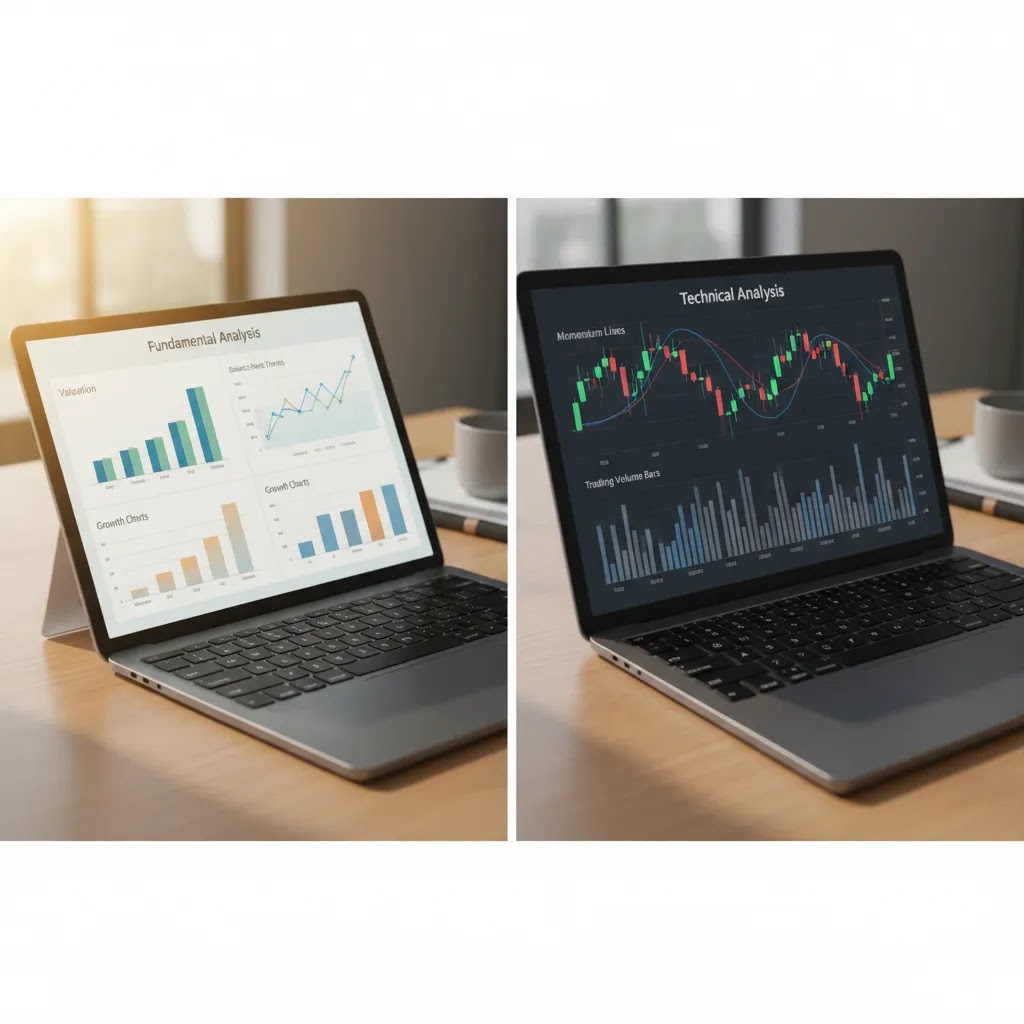
Those conditions may be fundamental, technical, or practical. For example, you might look for stocks with a market capitalization above a certain size, revenue growth above a set threshold, and average daily trading volume high enough to support easier entry and exit. A trader might use price momentum and volume filters, while a long-term investor might focus more on earnings quality, debt levels, and valuation.
That distinction matters. A stock scanner used for short-term trading often looks for current market activity, while a stock screener used for investing may focus on business quality and pricing. If you are still refining your process for how to pick stocks, screening should usually come early in the workflow, not at the end.
A good screener helps you move from a huge universe of stocks to a shortlist worth researching in depth. It does not replace judgment, and it does not confirm whether a company is suitable for your personal goals.
How screening filters work
Every stock screener starts with a universe of securities, often grouped by exchange, country, sector, or market cap. You then apply filters. The more specific the filters, the fewer results you get.
Common examples include:
- Price above $10
- Market cap above $1 billion
- Price-to-earnings ratio below 20
- Revenue growth above 10%
- Average daily volume above 500,000 shares
- Relative strength or moving average signals
A free stock screener may offer a smaller set of filters, delayed data, or fewer export options. A more advanced tool may include custom formulas, alerts, analyst data, backtesting features, or links to charts. Whether you use a finviz stock screener, broker-integrated screener, or a standalone stock scanner, the key question is not how many filters it has. It is whether the filters match your method and whether the data is reliable enough for the decisions you are making.
In most cases, your output should be a shortlist, not a final decision. You would then review company reports, sector risks, valuation context, and chart structure before taking any action.

Real-time vs delayed data, and why it matters for screen results
Here is the thing: two people can run the same screen and get different results if their data is updating at different speeds. Many screeners use a mix of real-time, delayed, and end-of-day data depending on the market, the exchange, and whether you are using a free tier.
Real-time data updates as trades happen. Delayed data is often 10 to 20 minutes behind live quotes in many tools, and end-of-day data is updated after the market closes. From a practical standpoint, delayed quotes may not matter much if you are screening for long-term fundamentals, but they can matter a lot if you are screening for fast-moving price action.
The filters most sensitive to timing are usually the ones tied to live market behavior. Think volume spikes, breakouts to new highs, gap moves, and fast momentum conditions. If your screener is delayed, you might see a stock that appears to be breaking out, but in reality the move could already be fading. The reverse can also happen: a stock might qualify in real time but not show up in a delayed screener until later, which can make you feel like you missed it.
False positives are common when quotes are stale or fundamentals are not updated. A few examples: a stock looks like it is above a key moving average, but the latest price has already dropped back below it; a gap-up screen triggers, but the stock has already filled most of the gap; a low P/E screen looks attractive, but earnings were just revised or the company reported results that changed the picture. Screeners are good at sorting, but they are not perfect at explaining why something qualifies.
Consider this: before you spend time researching a screen result, do a quick sanity check. Confirm the current price and volume in your charting tool or broker, check whether earnings are upcoming or just reported, and confirm that liquidity is still healthy. This is also where investors and traders should think differently. Investors can often prioritize reliable fundamentals and clean financial history, even if the pricing data is delayed. Active traders typically need more timely quotes, alerts, and the ability to refresh results quickly, because execution timing and slippage can change outcomes.
Free tools often involve trade-offs. You might get a solid list of basic filters, but less data freshness, fewer alerts, limited exports, or fewer markets. The priority should match your use case. If you are building a long-term watchlist, clean fundamentals, stable coverage, and an interface you will actually use can matter more than second-by-second updates. If you are actively trading, data freshness, intraday filtering, and reliable alerts usually move higher on the list.
The most useful screener criteria
Many beginners make the mistake of using too many filters too early. That can leave you with no results, or with a list so narrow that you miss better opportunities. A more practical approach is to separate filters into categories and apply them in layers.
1. Basic quality and liquidity filters
These are often the first filters worth using because they reduce low-quality or hard-to-trade names. Typical examples include minimum share price, market capitalization, and average daily volume. For investors in the UAE using international brokers, liquidity may matter because wider spreads and lower trading activity can increase execution risk.
2. Fundamental screener filters
These are designed to identify business strength or valuation. Common choices include earnings growth, return on equity, debt-to-equity, gross margin, operating margin, and valuation ratios such as P/E, P/S, or EV/EBITDA. If you use these filters, it helps to understand fundamental analysis and how different industries should be assessed.
You may also need to read financial statements directly, because a screener can simplify the numbers but cannot explain accounting quality, one-off events, or management issues.
3. Technical screener filters
These are more common among active traders. You might screen for stocks above the 50-day moving average, making new 52-week highs, or showing unusual volume. Technical filters can help identify momentum or trend alignment, but they may also generate many short-term signals that fade quickly.
4. Sector and theme filters
If you already have a market view, you can screen within sectors such as technology, energy, banking, or healthcare. This may help you compare companies with similar business models instead of mixing unrelated industries.
5. Geographic and exchange filters
Some investors want only U.S. stocks, while others may prefer broader global exposure. The right choice depends on your access, your broker, and the markets you understand best.
Popular stock screener presets you can start with
What many people overlook is that you do not have to build every screen from scratch. Many screening tools offer preset screens or popular filter libraries that act as starting points. Used correctly, presets can speed up research. Used poorly, they can turn into a list of stocks you do not understand.
Here are a few common presets you will see across many screeners, and what each is usually trying to capture in plain English.
A large-cap quality style screen typically aims to surface bigger companies with steadier profitability and stronger balance sheets. The idea is not that large caps are risk-free, but that they can be easier to research and often trade with tighter spreads and deeper liquidity. After you get results, the next step is checking whether the business model is still intact, whether growth is stable, and whether valuation looks reasonable for the sector.
A value preset usually looks for lower valuation ratios relative to earnings, sales, or book value. The risk is that some stocks are cheap for a reason, such as falling demand, high debt, weak cash flow, or a one-time earnings boost that made valuation look temporarily attractive. If a value screen returns a name you like, check recent earnings quality, debt maturity risk, and whether the company is cyclical.
A dividend or high-yield dividend preset typically filters for companies that pay dividends and may prioritize higher yields. This can help income-focused investors, but yield alone can be misleading if the payout is not sustainable. A practical next check is payout ratio, free cash flow coverage, and whether the company has a history of cutting dividends during downturns. Also check the earnings date, because dividend stocks can still move sharply around results.
A growth preset often prioritizes faster revenue or earnings growth. The upside is that you may find companies benefiting from strong demand, but growth screens can also surface stocks with higher volatility and higher valuation risk. After you get results, look for consistency in growth rather than one exceptional quarter, and check whether margins are improving or being pressured.
A new 52-week highs preset usually focuses on momentum. The concept is that strong stocks sometimes keep acting strong, especially if institutions are accumulating shares. The reality is that new highs can also occur after a short-term news spike. If you use this preset, check liquidity, recent news, and the chart context, such as whether the move is a clean breakout or a stretched run far above moving averages.
An unusual volume preset is typically used to spot stocks trading far above their normal volume, which can signal news, a technical breakout, or a shift in sentiment. This can be useful for traders, but it can also surface event-driven moves that reverse quickly. A sensible next step is to identify what caused the volume, confirm that the stock is still liquid enough to trade, and check whether spreads are reasonable.
An oversold bounce preset often tries to find stocks that dropped hard and may be due for a rebound, sometimes using indicators such as RSI-style oversold conditions. Think of it this way: these screens can find mean reversion candidates, but they can also find stocks in real trouble. If you use an oversold preset, treat the results as a research queue, not a prediction. Check the reason for the sell-off, upcoming catalysts like earnings, and whether the chart shows stabilization rather than a continuing downtrend.
Now, when it comes to interpreting any preset, the same rule applies: a preset is not a buy list. Your next checks should usually include news and filings context, upcoming earnings date, liquidity and spreads, and the chart structure so you understand whether the move is trend-following or purely event-driven. Presets also differ depending on your time horizon. Investors can often accept slower-moving setups if the business case and valuation make sense, while short-term traders typically need tighter criteria around volatility, average volume, and timing because fast-moving lists can change quickly.
Pros and Cons
Strengths
- A stock screener can reduce research time by narrowing thousands of stocks into a manageable watchlist.
- It creates a more consistent process, which may help investors avoid random stock selection.
- It can support both long-term investors and active traders through fundamental and technical filters.
- It helps you compare stocks on the same criteria, which may improve discipline and repeatability.
- Many tools offer a free stock screener version, making screening accessible for beginners.
Considerations
- A screener does not explain business quality, management strength, or hidden risks on its own.
- Poor filter choices may produce misleading results or exclude worthwhile stocks.
- Technical screeners can surface short-term setups that fail quickly in volatile markets.
- Data delays, limited filters, or missing markets may affect results, especially on free tools.
How beginners can use a stock screener without overcomplicating it
If you are new to stock screening, start simple. Your goal is not to build the perfect formula on day one. Your goal is to create a repeatable first-pass filter that gives you a sensible shortlist.
A practical starter workflow may look like this:
- Choose your market, such as U.S. large-cap stocks.
- Apply liquidity filters, such as price above $10 and healthy trading volume.
- Add one or two business filters, such as positive earnings growth or manageable debt.
- Review the results manually and remove companies you do not understand.
- Study charts, earnings trends, and valuation before adding a stock to your watchlist.
This is also where a stock screener for beginners should stay practical. A tool with 200 filters is not necessarily better than one with 20 well-presented filters. Ease of use matters because confusion often leads to poor decisions or inconsistent screening.
If your method includes chart review, a tool such as TradingView guide content may help you understand how screen results translate into trend analysis, support and resistance, and volume confirmation.
How to save, track, and maintain a screener watchlist
Once you have a shortlist, the next challenge is not finding more stocks. It is tracking the ones you already found in a way that stays actionable. A watchlist that grows without structure often becomes noise, and noise tends to lead to impulsive decisions.
A simple maintenance routine can help. Long-term investors often re-run their core screens weekly or even monthly, because fundamental changes usually take time. Active traders may re-run screens daily, and in some cases intraday, because price and volume conditions can shift quickly. The goal is not constant activity. The goal is having a repeatable schedule that matches your time horizon and keeps your list current.
When a stock falls out of a screen, treat it as information, not as a failure of your process. Sometimes it is a harmless change, such as volume cooling off after a catalyst. Sometimes it is a meaningful change, such as a trend break, a weakening balance sheet metric, or a valuation that no longer fits your rules. Many investors find it useful to keep two lists: a primary watchlist of current qualifiers and a secondary list of names you still want to monitor but that no longer meet the screen.
Alerts can help, but a basic tracking checklist matters even more. At minimum, try to keep a quick note for each watchlist candidate: the earnings date, a simple liquidity check, key price levels you care about, and a one-sentence reason the stock is on your list. That one sentence is important because it forces clarity. If you cannot explain why a stock is on your watchlist, you probably should not be tracking it.
To avoid watchlist bloat and recency bias, set clear remove rules. For example, you might remove a stock if liquidity drops below your minimum, if the chart breaks a level that mattered to your thesis, or if the company has a change you do not understand yet, such as a major guidance cut. A smaller, well-maintained watchlist is usually more useful than a large list you never review.
The reality is that a stock screener is only as useful as the workflow around it. Screening finds candidates. Watchlist maintenance turns candidates into a manageable research pipeline, which may help you stay disciplined even when markets are volatile. Trading and investing still carry risk, so the aim is not certainty. It is a cleaner process for tracking ideas and reducing avoidable mistakes.

Common mistakes to avoid
The first mistake is treating the screener result as a buy list. A stock can pass every filter and still be overpriced, cyclical, or exposed to risks the screener cannot measure.
The second mistake is using contradictory filters. For example, screening for deep value and strong momentum at the same time may leave you with either very few stocks or a confusing set of names that do not fit one coherent strategy.
The third mistake is ignoring time horizon. If you plan to hold for years, short-term technical signals should probably not dominate your process. If you are swing trading, long-term valuation may be less important than price action and liquidity.
The fourth mistake is forgetting broker limitations. Your stock ideas are only useful if your broker gives you access to those markets, reasonable costs, and a reliable platform. That is one reason many readers also browse our Trading Platforms and Brokers resources before acting on screen results.
How screeners connect to your broker and charting tools
A stock screener is only one part of the process. After you find candidates, you still need a platform to research, monitor, and possibly trade them. Business24-7 covers several regulated brokers and multi-asset platforms used by UAE-based investors, and the right fit depends on what you want to do after screening.
For example, Interactive Brokers is a multi-asset broker rated 4.5/5 by Business24-7, with access to 150+ markets, professional-grade tools, and very low pricing for higher-volume users. It may appeal to experienced investors who screen globally and want broad market access, though its interface can feel complex for beginners and it does not offer an Islamic account based on available data.
eToro, also rated 4.5/5, may suit readers who want a simpler experience, social features, and access to stocks, ETFs, and other assets through its web and mobile platforms. It offers AED deposits and Arabic support, which may be useful in the UAE. Its trade-off is that stock-focused investors still need to understand where spreads and CFD pricing apply.
XTB, rated 4.0/5, offers xStation 5, education support, and 0% commission on real stocks up to volume limits, while Saxo Bank, rated 4.0/5, offers premium research and access to 72,000+ instruments but has a much higher $2,000 minimum deposit. Those differences show why a screener alone is not enough. Market access, platform usability, fee structure, and regulation under bodies such as the DFSA or SCA may shape your final choice just as much as your stock filter does.
Business24-7 perspective
At Business24-7, the goal is not to tell you that one screener or one broker is right for everyone. The safer approach is to build a clear stock selection process, understand the filters you are using, and then compare platforms that match your investing style. That editorial approach reflects Business24-7’s focus on clarity, safety, and unbiased financial research for readers in the UAE and wider MENA region.
If you are still developing your workflow, browse our Investing and Wealth Building resources, then compare platform capabilities through our broker reviews and platform guides. Business24-7 content is shaped around helping cautious investors make better-informed decisions before committing capital, with regulatory context and fee transparency treated as essential rather than optional.
Frequently Asked Questions
What is the difference between a stock screener and a stock scanner?
A stock screener usually refers to a tool that filters stocks based on set criteria, often for research or watchlist building. A stock scanner is often used more for live market monitoring and shorter-term trading signals. In practice, many platforms use the terms interchangeably, so it is better to check whether the tool focuses on long-term data, real-time signals, or both.
What is the best stock screener for beginners?
The best stock screener for beginners is usually the one that is easy to understand, has clear filters, and does not overwhelm you with unnecessary complexity. A simple layout, basic valuation filters, and reliable chart access may matter more than having every advanced metric. Beginners should focus on learning the logic behind filters rather than chasing the most feature-heavy tool.
What is the best free stock screener?
The best free stock screener is typically the one that matches your method while still offering reliable data coverage for the markets you trade. For many long-term investors, a free screener can be enough if it includes basic liquidity filters, a core set of valuation and growth metrics, and clean watchlist functionality. Active traders should pay extra attention to whether quotes are delayed, how often results refresh, and whether you can set alerts, because those details can affect timing and execution risk.
Is there a stock screener in Google (Google Finance), and how does it compare to dedicated screeners?
Google Finance can be useful for quick price checks, basic company snapshots, and simple comparisons, but it is not designed as a dedicated stock screener with deep filtering, technical conditions, alerts, and workflow features. If you are building structured screens based on multiple fundamental and technical criteria, a dedicated screener usually makes the process faster and more consistent. Many investors use Google Finance style tools as a secondary reference, not as their primary screening engine.
What is the best stock screener app for mobile?
The best stock screener app for mobile is usually the one that lets you run your key screens, review charts clearly, and manage alerts and watchlists without friction. Mobile screening can be convenient for monitoring, but complex filtering is often easier on desktop. If you rely on mobile, prioritize usability, watchlist syncing, and alert reliability, especially if you are screening around fast-moving events where trading involves real risk.
Can I screen for dividend stocks (or high-yield dividend stocks) using a stock screener?
Yes, most stock screeners let you filter for dividend payers using criteria such as dividend yield, dividend growth history, payout ratio, and market cap. The key is not treating yield as a safety signal. A high yield can reflect a falling share price or an unsustainable payout. If a stock passes your dividend screen, it is still worth checking cash flow coverage, debt levels, and whether the company has a history of maintaining dividends through weaker cycles.
Can a free stock screener be enough?
Yes, in many cases a free stock screener can be enough for basic research, especially if you are screening for liquidity, valuation, growth, and broad technical conditions. The limitations may include delayed data, fewer filters, and less customization. For long-term investors, that may still be adequate. Active traders may need more timely data and deeper market tools.
How do I use a stock screener to find stocks to trade?
Start with a market and time frame, then apply filters that fit your strategy. A short-term trader might use volume, price momentum, and moving average filters. A longer-term investor might focus on earnings growth, balance sheet strength, and valuation. After screening, review the chart, the company, and upcoming events such as earnings before making any decision.
Should UAE investors use different screener criteria?
The core criteria are usually similar everywhere, but UAE investors may need to pay extra attention to broker access, currency exposure, and platform regulation. If you are using an international broker, it helps to check whether the platform is regulated by bodies such as the DFSA, SCA, FCA, ASIC, or CySEC, depending on the service and jurisdiction involved.
Are technical screeners better than fundamental screeners?
Neither is automatically better. Technical screeners may help active traders identify momentum, breakouts, or trend setups. Fundamental screeners may help investors locate companies with stronger growth, margins, or valuation profiles. The better choice depends on your time horizon, strategy, and research style. Some investors use both, but only if each filter has a clear purpose.
Can a stock screener help reduce risk?
A stock screener may help reduce poor research habits by making your process more structured, but it does not remove market risk. Stocks can still fall sharply, earnings can disappoint, and macro conditions can change quickly. Screening is best seen as a way to organize research, not as a safety guarantee or prediction tool.
Do I still need to read financial statements if I use a screener?
Usually, yes. A screener is useful for narrowing the field, but it cannot fully explain accounting quality, cash flow trends, management commentary, or one-time events. Reading financial statements can help you confirm whether the numbers behind the filter are as strong as they first appear and whether the business actually fits your investment case.
How many filters should I use?
Use enough filters to match your strategy, but not so many that your results become random or overly narrow. For many beginners, three to five well-chosen filters are enough to build a useful shortlist. As your process matures, you may add more criteria, but every filter should have a clear reason behind it.
Key Takeaways
- A stock screener helps narrow a large market into a shortlist worth researching.
- The most useful filters usually combine liquidity, business quality, and strategy-specific criteria.
- Beginners should keep screening simple and avoid treating results as automatic buy signals.
- Screeners work best when paired with chart review, company research, and a suitable regulated broker.
- For UAE readers, platform access, fees, and regulation may matter as much as the stock filter itself.
Conclusion
A stock screener can be one of the most practical tools in your investing process, especially if you want a more consistent way to find ideas without getting lost in an endless list of stocks. The real value is not the tool alone. It is the discipline that comes from applying clear criteria, reviewing results carefully, and understanding what the filters can and cannot tell you. For readers in the UAE, that process should also include checking broker access, fee structure, and regulatory standing before acting on any idea. If you want to build that process more confidently, explore Business24-7’s investing guides, platform comparisons, and broker reviews before making your next decision.
Disclaimer: The content published on Business24-7 is intended for informational purposes only and does not constitute financial advice, investment recommendations, or an endorsement of any specific platform or financial product. Trading and investing carry significant risk, including the potential loss of capital. You should conduct your own research and, where appropriate, seek independent financial advice before making any investment decisions. Business24-7 does not accept responsibility for any financial losses incurred as a result of information published on this site.
Disclaimer
eToro is a multi-asset platform which offers both investing in stocks and cryptoassets, as well as trading CFDs.
Please note that CFDs are complex instruments and come with a high risk of losing money rapidly due to leverage. 61% of retail investor accounts lose money when trading CFDs with this provider. You should consider whether you understand how CFDs work, and whether you can afford to take the high risk of losing your money
This communication is intended for information and educational purposes only and should not be considered investment advice or investment recommendation. Past performance is not an indication of future results.
Copy Trading does not amount to investment advice. The value of your investments may go up or down. Your capital is at risk.
Crypto assets are complex and carry a high risk of volatility and loss. Trading or investing in crypto assets may not be suitable for all investors. Take 2 mins to learn more
eToro USA LLC does not offer CFDs and makes no representation and assumes no liability as to the accuracy or completeness of the content of this publication, which has been prepared by our partner utilizing publicly available non-entity specific information about eToro.

If you have ever opened a stock platform and felt overwhelmed by thousands of listed companies, a stock screener may be the tool that brings order to the process. Instead of guessing, you can use a stock filter to narrow candidates based on price, valuation, growth, volume, sector, or technical behavior. For UAE-based investors, that structure matters because it may…