
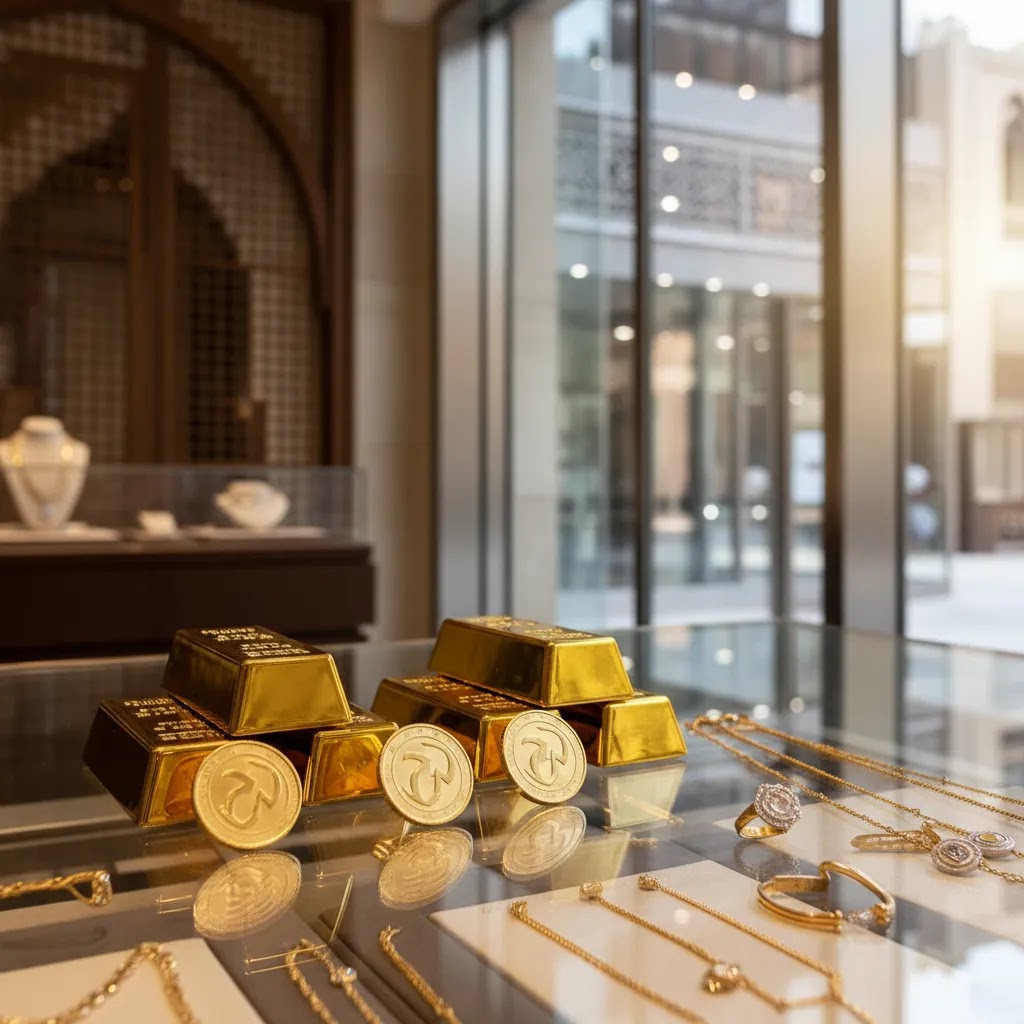
Dubai remains one of the most practical places in the region to buy physical gold, but the right place depends on what you want to purchase. If you are looking for jewelry, the Gold Souk and major mall retailers are often the starting point. If you want bars or coins for wealth preservation, established bullion dealers and some banks may be the better fit. For readers building a broader view of gold trading uae, this guide focuses on physical buying, not leveraged trading. At Business24-7, we look at gold buying through a risk-first lens that matters to UAE residents: authenticity, pricing transparency, premiums, resale ease, and proper documentation. The short verdict is simple, Dubai offers strong access to gold, but buyers should compare making charges, ask for purity details, and avoid assuming the lowest sticker price is always the best value.
Where Can You Buy Gold in Dubai?
If you are researching where to buy gold in Dubai, the market usually comes down to three main routes: traditional souks, banks, and specialist dealers. Each serves a different buyer profile.
Gold souks and gold shops are the most visible option. They are popular with buyers looking for jewelry, small bars, gift pieces, and a wide selection of designs. This route may suit people who want room to compare multiple sellers in one area. It is often associated with competitive retail pricing, but the final cost can still vary based on purity, craftsmanship, and store markup.
Banks may appeal to buyers who prioritize formal documentation and familiar institutional processes. That said, bank availability, product range, and purchasing rules can vary, and not every bank will be the best option for small physical gold purchases.
Dedicated bullion dealers are often the most relevant choice for investors focused on gold bars Dubai buyers typically want for storage or long-term holding. These dealers may offer bars and coins in multiple weights, clearer premium structures, and better resale familiarity than a jewelry-focused shop.
If you are still deciding whether physical ownership is the right route, our guides on invest in gold uae and the wider gold and commodities category can help you compare formats before you commit funds.
Buying Gold at Dubai Airport, Dubai Mall, or Online: What Changes?
Here is the thing, “where” you buy in Dubai can change the pricing conversation even if the underlying gold rate is the same. Dubai Airport retailers, major mall chains (including stores in Dubai Mall), and online sellers can each work, but they typically come with different tradeoffs in transparency, negotiation, and documentation.
Dubai Airport gold shops tend to prioritize speed and convenience. The product range is often focused on gift-friendly jewelry and smaller items rather than a deep selection of investment bars. From a practical standpoint, you may have less room to compare multiple sellers side by side, and the pricing may be presented more as fixed retail than a negotiated souk-style discussion. If you are buying under time pressure, prioritize a clear itemized receipt and confirm purity and weight before paying.
Mall retailers (including Dubai Mall) usually offer a more standardized experience, branded collections, and consistent customer service. That can feel lower-friction for first-time buyers. The tradeoff is that jewelry pricing can include higher or more rigid making charges, and you may see fewer “plain” investment-oriented items compared with specialist bullion dealers. If you are buying a gold chain or bracelet, ask how making charges are calculated and whether any part of the workmanship cost is negotiable.
Online gold purchases can be convenient, but they shift your risk checks from “store reputation” to “process quality.” Consider this, online pricing may look competitive, yet the real questions are delivery, return policy, authenticity guarantees, and what documentation arrives with the product. Before ordering, confirm how the item is packaged, whether it includes an assay certificate (for bars), what happens if packaging is opened, and how disputes are handled. You should also verify the seller’s legitimacy through their business details and stated terms, rather than relying on the idea that “Dubai-based” automatically equals trustworthy.
These options may suit buyers who value convenience, have limited time, or want a familiar retail experience. If your priority is comparing the all-in cost across multiple sellers in one trip, a souk visit or an established bullion dealer is often easier for fast, side-by-side price checking.
How to Compare Souks, Banks, and Dealers
The best place to buy gold in Dubai depends less on marketing and more on the type of gold you want. A jewelry buyer, a gift buyer, and an investor looking for bullion are not solving the same problem.
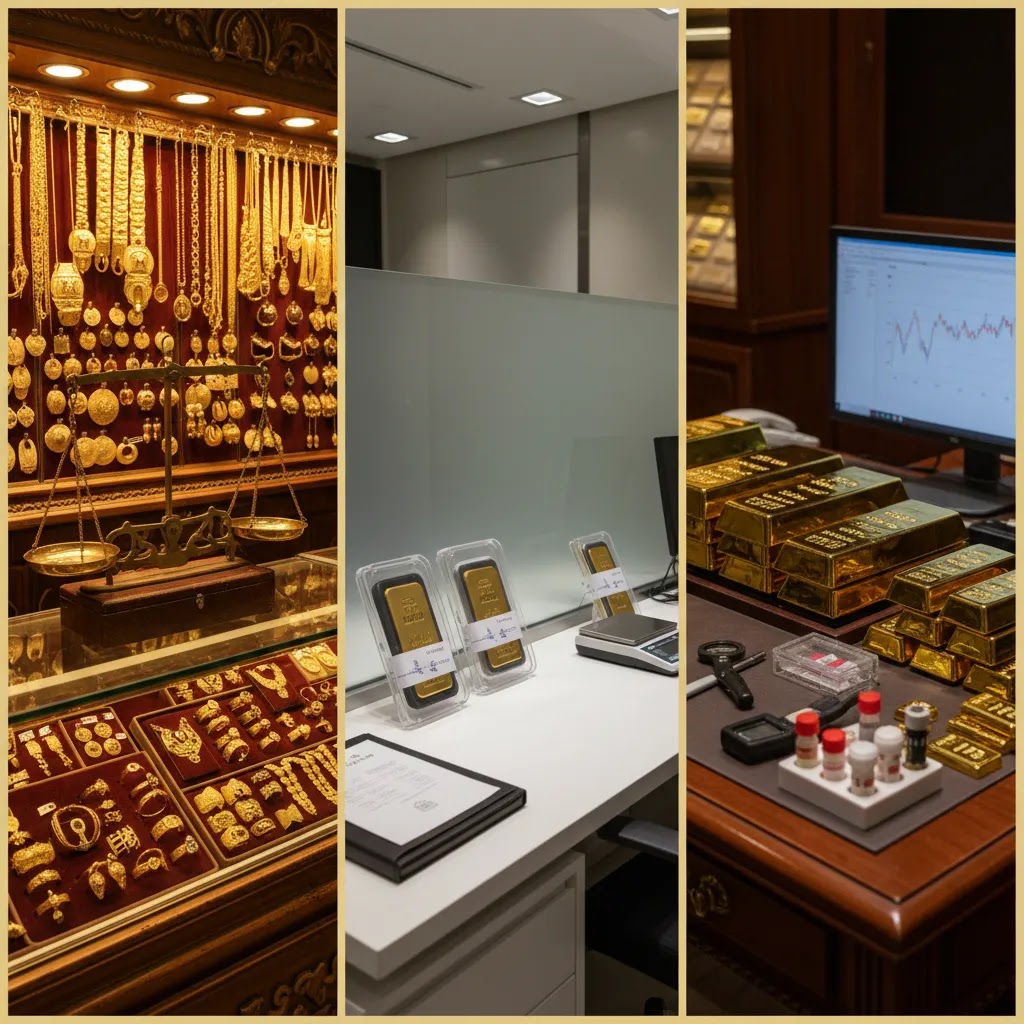
At the Gold Souk Dubai buyers often get breadth of choice. You can compare many stores in a single visit, ask for different purity levels, and negotiate on workmanship in some cases. This can be useful if style matters as much as metal content. The tradeoff is that jewelry pricing includes more variables than bullion pricing, so it may be harder to judge pure investment value quickly.
Bullion dealers usually make comparison easier for bars and coins because the conversation is more direct. You are looking at spot price, dealer premium, product weight, refinery reputation, and resale conditions. If your goal is to buy physical gold Dubai investors might hold rather than wear, this route is often more straightforward.
Banks may suit buyers who value institutional processes and product verification, but they are not always the most flexible or cheapest route. Product selection may be narrower than what a specialist dealer offers.
Three questions matter before you buy:
- Is the product jewelry, coin, or bullion bar?
- What purity are you buying, for example 24K, 22K, or another standard?
- How easy will resale be if you decide to liquidate later?
For some investors, physical gold is only one part of a wider allocation. That is where comparing gold etf vs physical ownership becomes useful, especially if storage and resale convenience matter.
Real Costs to Watch Before You Buy
The headline gold rate is only part of what you pay. This is one of the biggest mistakes first-time buyers make when comparing gold shops Dubai has to offer.
For jewelry, the final bill usually includes the metal price plus making charges and, in some cases, design or branding premiums. Two pieces with the same weight may have very different total prices because craftsmanship costs can differ sharply. If your aim is investment rather than personal use, high making charges can reduce resale efficiency.
For bars and coins, the key cost is the premium above the live gold price. This premium may reflect minting, packaging, transport, dealer margin, and product brand. Smaller bars and coins often carry higher percentage premiums than larger bars. In practical terms, a 1 gram or 5 gram product may be convenient, but it is not usually the lowest-cost way to buy bullion.
You should also ask about:
- Buyback policy and whether the same dealer repurchases at a narrower spread
- Storage costs if the dealer offers vaulting
- Certificate or assay documentation for bars
- Any card payment surcharge compared with bank transfer or cash rules
Many buyers searching for the cheapest gold in Dubai are really looking for the lowest all-in cost, not just the lowest quoted rate. That means comparing final payable price, not marketing slogans. If you are weighing gold as an investment against other asset classes, our article on gold vs stocks can help frame that decision more clearly.
Quick Price Reality Check: Is Gold Actually Cheaper in Dubai?
Dubai can feel “cheaper” for gold because competition is intense, pricing is often discussed openly, and buyers can compare multiple sellers quickly, especially in the souks. What many people overlook is that the final outcome depends on the all-in cost, not the rate-per-gram headline you see on a board or in a display.
For jewelry, a “good deal” often comes down to making charges and workmanship. Two gold chains can have similar metal weight and purity, but the labor component can push the final price in very different directions. If you plan to resell later, high making charges may not translate into higher resale value, because resale is typically based more on gold content than design.
For bullion, negotiation usually works differently. Dealers tend to quote a structured premium above the live gold price that reflects product brand, packaging, and handling. Smaller denominations can carry higher percentage premiums, and branded or highly packaged products can shift the economics even if the underlying purity is the same.
A simple way to compare is to convert everything to an effective “all-in per gram” number. Take the final payable price, divide by the gold weight, then consider what you would likely get back on resale after any buyback spread. If a seller offers a buyback policy, ask how the repurchase price is calculated and whether it depends on condition, packaging, or original invoice.
The reality is short-term price movement can overwhelm small differences in premiums or making charges. Since prices can rise and fall, focusing only on the idea of “cheaper in Dubai” can distract from what matters most: authenticity checks, itemized documentation, and clear resale terms. Those practical factors are often more important than saving a small amount on the day.
Safety, Authenticity, and Regulation
Buying gold in Dubai can be safe, but safety depends on process. A buyer should verify authenticity, keep invoices, and use established sellers with a clear business presence. Do not treat any gold purchase as low risk simply because the city is known for its gold market.
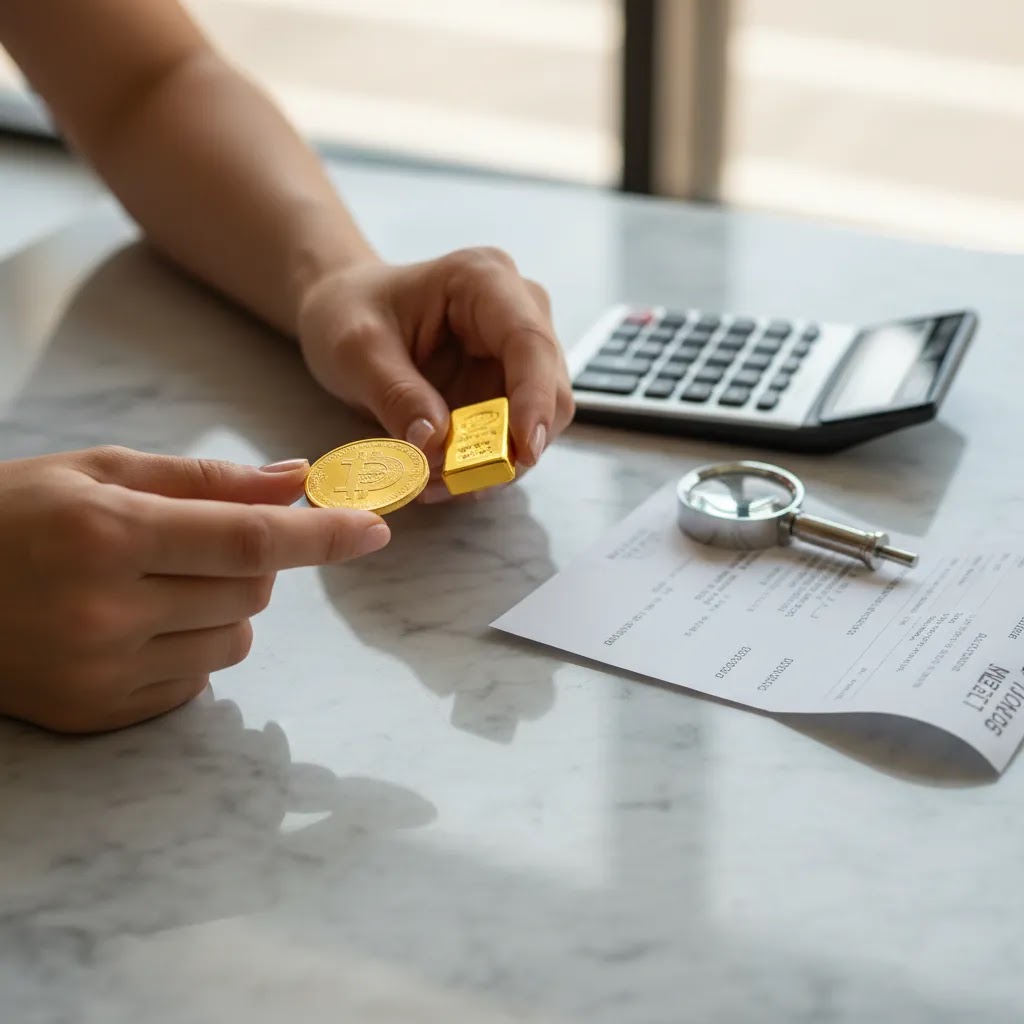
For physical gold, the main protections are practical rather than platform-based. You want documented purity, clear weight, itemized pricing, and a receipt that would support future resale. For bars, assay certificates and recognized refinery brands may improve confidence and resale convenience. For coins, packaging and authenticity seals may matter.
From a UAE perspective, readers should understand the difference between buying physical metal and using a regulated trading intermediary. If you are considering paper or online exposure instead of physical ownership, it is worth understanding whether a provider falls under bodies such as the Securities and Commodities Authority (SCA) or the Dubai Financial Services Authority (DFSA). For physical buying itself, that same trading regulation framework may not apply in the same way, which makes due diligence on the seller especially important.
Business24-7 generally favors transparent pricing, formal documentation, and sellers that can explain purity, sourcing, and resale terms clearly. If a dealer cannot do that, treat it as a warning sign.
Pros and Cons
Strengths
- Dubai offers a deep gold market with many competing sellers, which may improve buyer choice.
- The city is well suited to both jewelry buyers and bullion buyers, depending on the shop or dealer selected.
- Gold souks make side-by-side comparison easier than in many other markets.
- Established bullion dealers may provide bars, coins, certificates, and buyback terms that are more investor-friendly than jewelry retail.
- Physical ownership can appeal to buyers who want direct control rather than exposure through a financial product.
Considerations
- The cheapest advertised rate may not reflect the final price once premiums or making charges are included.
- Storage, insurance, and resale logistics can make physical gold less convenient than exchange-traded alternatives.
- Buyer protection depends heavily on documentation and seller quality, not just location reputation.
- Small bars and coins may carry relatively high premiums compared with larger bullion products.
Who Should Buy Physical Gold in Dubai?
Physical gold in Dubai may suit buyers who want tangible ownership, intend to hold for the medium to long term, and are comfortable dealing with storage and resale logistics. It can also make sense for people buying jewelry with cultural or personal use value, where investment return is not the only objective.
It may be less suitable for readers who want quick liquidity, low friction portfolio exposure, or easier cost comparison. In those cases, listed products or broker-based access could be more practical. If that is your next step, you can compare options through our guide to best online gold trading platforms uae or browse broader investing resources in investing and wealth building.
How to Get Started
If you plan to buy gold in UAE markets, a simple process can reduce mistakes:
1. Decide what you are buying. Choose between jewelry, coins, or bullion bars. Your goal should guide the format.
2. Check the live gold price. This gives you a reference point before discussing final cost.
3. Shortlist seller types. Visit a souk for variety, a bullion dealer for investment-focused products, or a bank if institutional documentation matters to you.
4. Ask for full pricing. Request purity, weight, premium, making charges, and buyback terms in plain language.
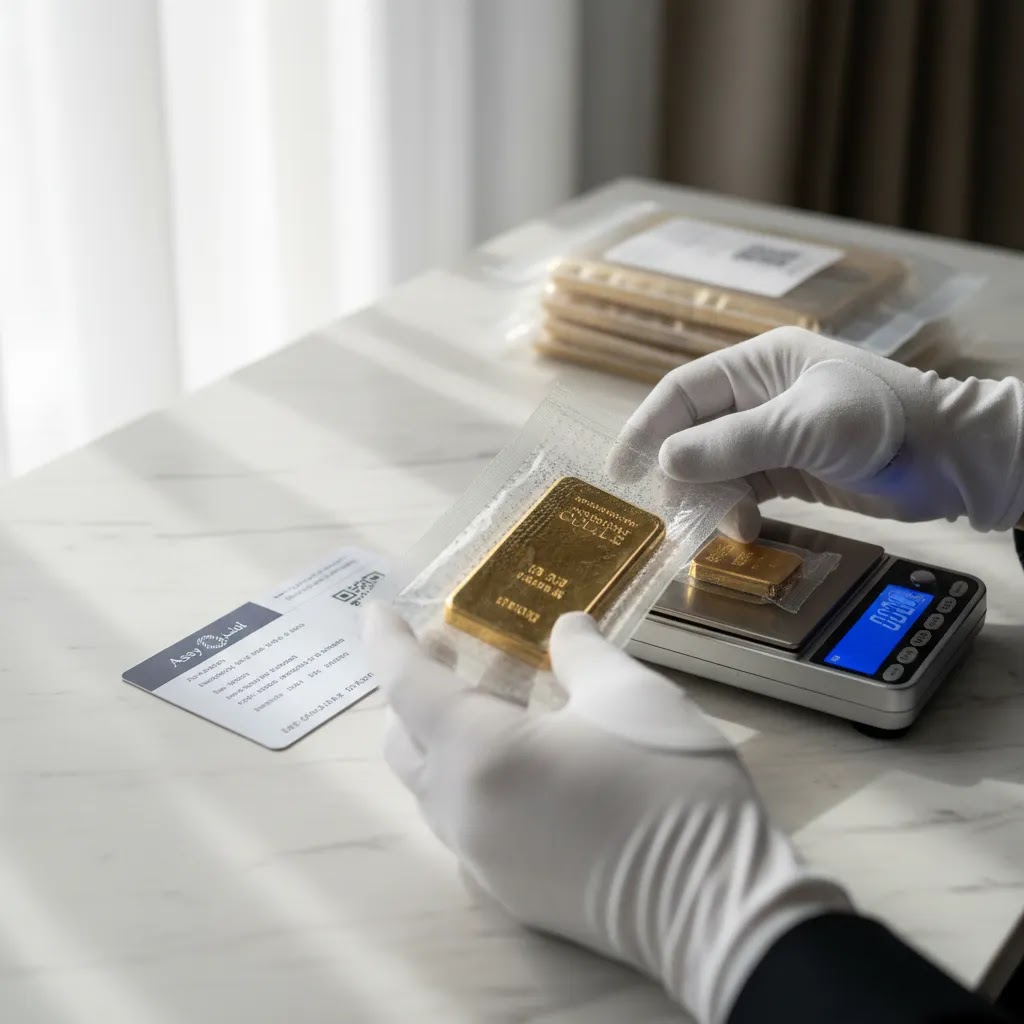
5. Verify documentation. Keep invoices, certificates, and packaging where relevant.
6. Plan storage before purchase. Home storage, insured storage, or vaulting each carries different costs and risks.
This practical, comparison-first approach reflects the way Business24-7 evaluates financial decisions for UAE readers: not by hype, but by transparency, cost awareness, and exit flexibility.
How to Buy Gold in Dubai Step by Step (Souk, Mall, Bank, Dealer)
If you are a first-time buyer, the biggest advantage you can give yourself is knowing what the “buying conversation” should sound like in each venue. Consider this, the same questions about purity, weight, and all-in price apply everywhere, but what is negotiable and what is fixed can change depending on whether you are buying jewelry or bullion.
Gold Souk or traditional gold shops: Expect a high-choice environment where you can ask multiple sellers for quotes quickly. Start by confirming the purity (for example 22K or 24K) and the exact weight. For jewelry, ask the seller to break the price into the gold value and the making charges. Think of it this way, you are not only buying metal, you are buying workmanship. If you are comparing chains, ask if the making charge is fixed or negotiable, and confirm whether stones, clasps, or special design elements change the cost.
Mall retailers: The process is often more standardized, with clearer tags and a “retail” feel. You can still ask for the full breakdown, but negotiation may be limited, especially for branded collections. If you are buying jewelry, focus on understanding the making charges, any brand premium, and the store’s exchange or buyback policy (if offered). If your main goal is metal value rather than design, compare the same karat and similar weight across a few stores to get a realistic view of the all-in pricing.
Bullion dealers: The discussion is typically simpler because the product is standardized. Confirm the bar or coin weight, purity, and whether it comes with sealed packaging and an assay certificate. Then ask for the dealer’s premium above the live price and how buyback works. What many people overlook is that bullion pricing is usually less about “making charges” and more about a premium structure. For many dealers, the premium is not as flexible as jewelry workmanship, so your leverage comes from comparing multiple quotes and choosing the size that fits your goal.
Banks: If you buy through a bank, expect a more formal transaction with specific product availability and procedures. Confirm what forms of gold are offered (bars, coins, and available weights), what identification or account relationship is required, and what documentation you will receive at purchase. Banks may suit buyers who prioritize institutional process, but product range and pricing flexibility can vary.
Before you pay in any venue, you want to leave with a receipt you can actually use later if you resell. A practical receipt checklist is simple: an itemized invoice showing weight, karat or purity, the rate per gram used, the premium or making charges clearly stated, VAT where applicable, and any buyback or exchange terms if the seller offers them.
The key pricing mistake is mixing models. For jewelry, the negotiation often centers on making charges and design costs. For bullion, the focus is usually the premium above spot and the buyback spread. Keeping those two frameworks separate helps you compare offers more accurately and avoid paying investment-level premiums for jewelry, or judging bullion like it is a handcrafted item.
Frequently Asked Questions
Is the Gold Souk the best place to buy gold in Dubai?
It may be the best place for variety, especially if you want jewelry or want to compare many stores quickly. It is not automatically the best option for every buyer. If your focus is bars or coins for investment, a specialist bullion dealer may offer clearer pricing, lower relative premiums, and a more straightforward resale process.
Can I buy gold bars in Dubai instead of jewelry?
Yes, many buyers in Dubai purchase gold bars rather than jewelry. This route is often preferred by people focused on wealth preservation or bullion ownership. The important checks are purity, brand or refinery recognition, certificate availability, and the dealer’s buyback terms. Larger bars may offer better value per gram than very small units.
Are gold coins a good option for first-time buyers?
Gold coins can be a practical starting point because they are easier to understand than custom jewelry and often simpler to resell than niche pieces. Still, first-time buyers should compare premiums carefully. Coins can carry higher percentage markups than larger bars, so convenience should be weighed against total acquisition cost.
How do I know if a gold dealer in Dubai is trustworthy?
Look for clear pricing, proper receipts, transparent purity details, and willingness to explain buyback terms. A trustworthy dealer should not be vague about weight, premium, or certification. Established premises and consistent documentation matter. If a seller avoids direct answers or pressures you to buy quickly, that is a reason to walk away.
Is physical gold better than a gold ETF?
That depends on your goal. Physical gold offers direct ownership and may appeal to buyers who value holding the metal itself. A gold ETF may be easier to buy, store, and sell through a regulated financial account. The tradeoff is that you do not take physical possession. Our comparison of gold etf vs physical explores this in more detail.
What is the cheapest way to buy gold in Dubai?
The cheapest route is usually the one with the lowest total cost after premiums, making charges, and resale friction are considered. For pure bullion buyers, larger bars may offer better value per gram than jewelry or very small coins. For jewelry buyers, comparing multiple stores remains important because design charges can change the economics significantly.
Should I buy physical gold or use an online platform?
Physical gold may suit buyers who want direct ownership and are comfortable with storage and documentation. Online platforms may suit those who want liquidity and easier access through a financial account. The better choice depends on your objective, time horizon, and risk tolerance. Reviewing the main options before acting is usually the prudent step.
Is it cheap to buy gold in Dubai?
It can be cost-competitive in many cases because Dubai has a large, competitive gold market and buyers can compare multiple sellers quickly. Still, whether it is “cheap” depends on the all-in price after making charges for jewelry or premiums for bars and coins, plus the buyback spread you may face later. Since gold prices can move quickly, it is usually smarter to prioritize authenticity, documentation, and resale clarity rather than focusing only on a small day-to-day price difference.
Is Dubai a good place to buy a gold chain?
Dubai can be a strong place to buy a gold chain because you typically have wide selection and many competing sellers, especially in the souks and major retail areas. The key is to compare chains by more than appearance: confirm the karat, the exact weight, and the making charges. Two chains with similar weight can end up priced very differently based on workmanship, and higher making charges may not improve resale value if you later sell primarily for gold content.
Is it a good idea to buy gold from Dubai?
It may be a good idea for buyers who want physical ownership and are prepared to do basic due diligence. Dubai offers access to jewelry, bars, and coins across many sellers, but buyer protection depends heavily on getting clear documentation, verifying purity and weight, and understanding resale terms. As with any gold purchase, prices can rise and fall, and you should consider your own objectives and risk tolerance before committing funds.
How much is one gram of 24K gold in Dubai?
The per-gram price of 24K gold in Dubai changes throughout the day based on the global gold market and local retail pricing. The most reliable approach is to check the current live gold price before you shop, then compare it to the seller’s all-in quote. For jewelry, the final cost per gram can be higher once making charges are included. For bars and coins, the all-in price reflects the dealer premium above the live rate.
Key Takeaways
- Dubai offers strong access to gold through souks, banks, and specialist bullion dealers.
- Jewelry pricing and bullion pricing work differently, so compare all-in cost, not just the spot rate.
- Receipts, certificates, purity details, and buyback terms matter as much as headline price.
- Physical gold may suit long-term holders, but storage and resale should be planned in advance.
- Readers comparing ownership methods should review physical gold alongside ETFs and online gold platforms before deciding.
Conclusion
If you are asking where to buy gold in Dubai, the answer depends on whether you want jewelry, coins, or investment-grade bullion. The Gold Souk remains useful for comparison and variety, while specialist dealers may be better for buyers focused on bars, premiums, and resale clarity. Banks may appeal to those who prefer a more formal purchase route, though they are not always the most flexible option. The key is not simply finding the cheapest gold in Dubai, but understanding the full cost, the documentation you receive, and how easy the item may be to resell later. For readers comparing physical ownership with market-based alternatives, Business24-7 also covers gold investing routes, ETF options, and platform comparisons to help you make a measured, informed decision.
This article is for informational purposes only and does not constitute personalized financial, investment, or legal advice. Buying gold and trading gold-related financial instruments carry risk. Prices can fall as well as rise, capital is at risk, and you may receive less than you invested. Where regulated financial products or platforms are discussed, readers in the UAE should consider the role of authorities such as the Securities and Commodities Authority (SCA) and the Dubai Financial Services Authority (DFSA), as applicable, before making any decision.
Disclaimer
eToro is a multi-asset platform which offers both investing in stocks and cryptoassets, as well as trading CFDs.
Please note that CFDs are complex instruments and come with a high risk of losing money rapidly due to leverage. 61% of retail investor accounts lose money when trading CFDs with this provider. You should consider whether you understand how CFDs work, and whether you can afford to take the high risk of losing your money
This communication is intended for information and educational purposes only and should not be considered investment advice or investment recommendation. Past performance is not an indication of future results.
Copy Trading does not amount to investment advice. The value of your investments may go up or down. Your capital is at risk.
Crypto assets are complex and carry a high risk of volatility and loss. Trading or investing in crypto assets may not be suitable for all investors. Take 2 mins to learn more
eToro USA LLC does not offer CFDs and makes no representation and assumes no liability as to the accuracy or completeness of the content of this publication, which has been prepared by our partner utilizing publicly available non-entity specific information about eToro.

Dubai remains one of the most practical places in the region to buy physical gold, but the right place depends on what you want to purchase. If you are looking for jewelry, the Gold Souk and major mall retailers are often the starting point. If you want bars or coins for wealth preservation, established bullion dealers and some banks may…